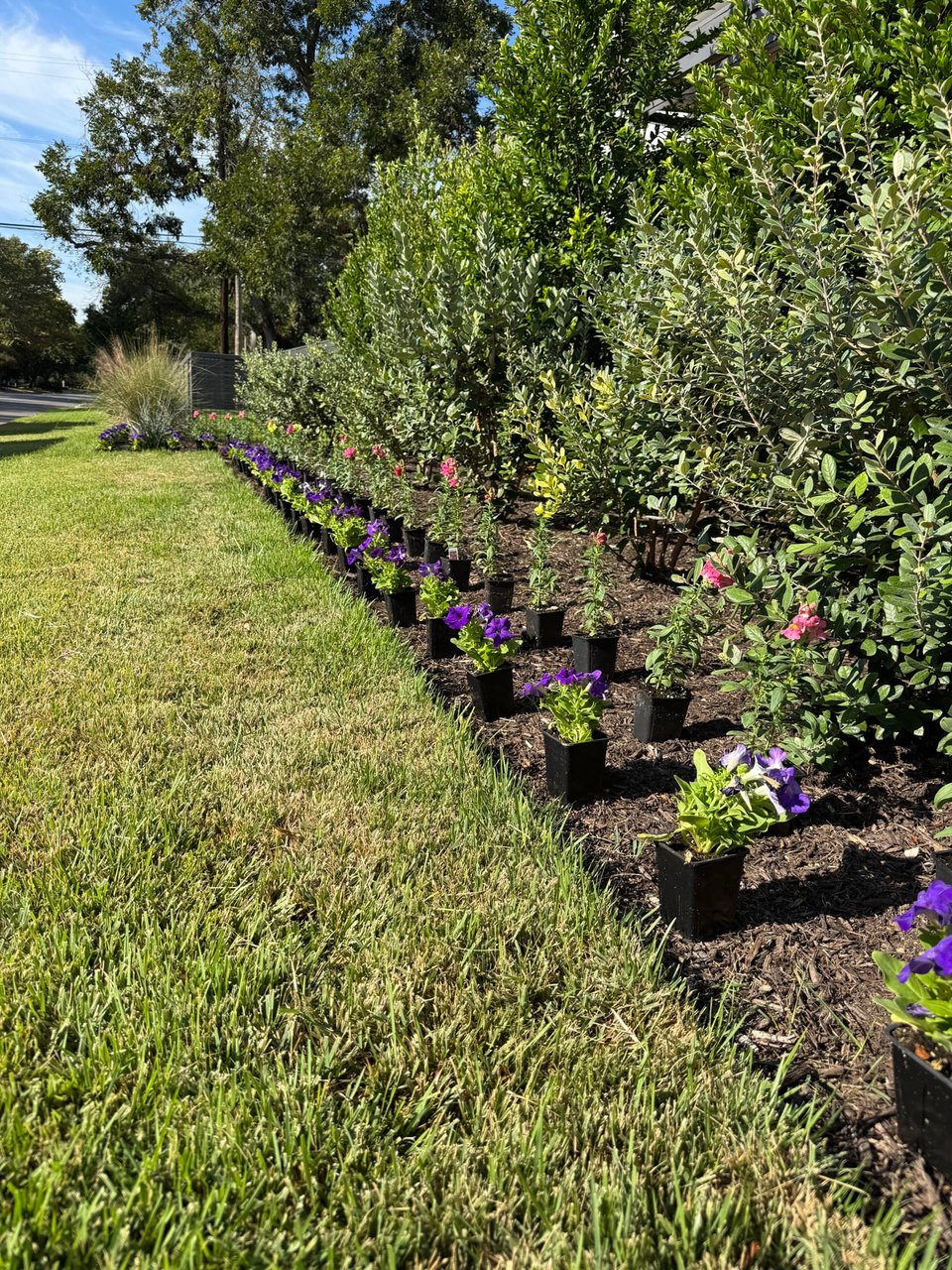
Travis Heights Storm Prep: Heavy Rain & Flooding Protection This Week

Travis Heights homeowners just weathered significant wind conditions over the past 48 hours, with gusts peaking at 38 mph and 0.47 inches of rainfall testing local drainage systems. But this week brings an even greater challenge for your landscape. Severe thunderstorms are heading our way with three consecutive days of heavy rain forecast, and your property's drainage infrastructure needs to be ready. Outdoor Renovations has been protecting Austin Metro properties since 2022, and we're standing by to help Travis Heights residents prepare for and recover from this week's storm sequence.
Immediate Action Summary for Travis Heights Homeowners After 38 mph winds and moderate rainfall, severe thunderstorms approach Travis Heights this week with heavy rain likely Wednesday. Outdoor Renovations provides emergency drainage solutions, erosion repair, and storm damage assessment. Check gutters, clear storm drains, and identify pooling areas now. Professional drainage installation prevents foundation damage and landscape destruction during multi-day storm events.
What Just Happened: Assessing Recent Wind and Rain Impact
The 38 mph wind gusts over the past two days have already stressed your landscape in ways you might not immediately see. These sustained winds don't just knock down branches – they loosen soil around shallow-rooted plants, create micro-cracks in hardscaping materials, and can shift drainage components like channel drains or French drain outlets.
That 0.47 inches of rainfall might seem minor, but it's actually revealed crucial information about your property's drainage capacity. Kyle Stoutenger, Licensed Landscape Contractor and owner of Outdoor Renovations, explains: "Light rainfall events like this week's are perfect diagnostic tools. They show us exactly where water wants to go naturally, which drainage components are functioning properly, and which areas will become serious problems when we get hit with the 2-3 inches per hour rates forecast for Wednesday."
Walk your property now and look for these telltale signs of drainage weakness that the recent rain exposed:
Surface Water Indicators:
- Standing water that persists more than 6 hours after rain stops
- Soil erosion channels, especially near downspouts or slope transitions
- Mulch displacement or plant material scattered by water flow
- Soggy areas where grass feels spongy underfoot
Hardscape Warning Signs:
- Water stains on retaining walls, patios, or walkways
- Settling or shifting of paver edges where water collected
- Efflorescence (white mineral deposits) appearing on stone or concrete surfaces
- Cracks in mortar joints that weren't there before
This preliminary assessment is critical because Wednesday's forecast calls for the kind of rainfall intensity that turns minor drainage issues into major landscape disasters.
The Storm Threat: What's Coming This Week
The weather pattern developing over Central Texas this week follows a classic late spring severe weather setup. Starting Sunday, we'll see increasing moisture and instability, building toward the main event Wednesday when NOAA forecasts show "Showers And Thunderstorms Likely" with heavy rain potential.
Here's what makes this week's forecast particularly concerning for Travis Heights properties:
Temperature Profile: Highs near 90°F through Sunday, then dropping to 87°F Wednesday as the storm system moves through. This temperature gradient creates atmospheric instability that fuels intense rainfall rates.
Soil Saturation Buildup: Monday and Tuesday bring "Chance Showers And Thunderstorms," which means your soil will already be saturated when Wednesday's heavier precipitation arrives. Saturated soils can't absorb additional water, forcing it to run off at accelerated rates.
Multi-Day Event: Unlike typical Texas summer storms that dump rain quickly and move on, this system lingers. Prolonged rainfall overwhelms drainage systems designed for shorter-duration events.
Key Takeaway: The combination of pre-saturated soil conditions and extended rainfall duration means even properly designed drainage systems will face maximum capacity challenges. Properties with marginal drainage will experience significant problems.
Critical Drainage System Inspection Points
Your irrigation and drainage system needs a complete check before Monday's preliminary storms arrive. Here's your systematic inspection protocol:
Gutters and Downspouts (Priority #1):
- Clear all debris from gutters – 38 mph winds definitely deposited leaves and branches
- Check downspout connections and ensure they're directing water at least 6 feet from foundations
- Verify splash blocks or drainage extensions are properly positioned
- Test water flow by running a hose – look for overflow points or slow drainage
Surface Drainage Features:
- Channel drains: Remove debris from grates and check that water flows freely through the system
- Swales and drainage ditches: Clear any accumulated sediment or vegetation blocking water flow
- Yard drains: Test that water enters catch basins properly and doesn't back up
French Drain Systems:
- Check outlet points for obstructions or damage from recent winds
- Look for soggy areas above buried drain lines, which indicates pipe damage or clogging
- Verify gravel surfaces around drainage areas haven't been displaced
Professional Contractor Insight: Most homeowners don't realize that French drains require 1-2% minimum slope to function properly. If you're seeing standing water above a French drain system, the issue is usually inadequate slope rather than pipe clogging. This requires professional regrading to fix permanently.
Immediate Protective Actions for Storm Preparation
With severe weather approaching, you need actionable steps you can take right now to minimize damage:
Today (Thursday) Actions:
- Secure loose outdoor furniture, planters, and decorative elements
- Trim any branches hanging over structures or power lines
- Move sensitive potted plants to protected areas
- Check and clear all drainage points identified in your inspection
Friday-Saturday Prep:
- Apply fresh mulch around plant beds if current mulch appears thin (3-4 inches optimal depth prevents soil erosion)
- Ensure outdoor electrical connections are protected from water intrusion
- Document current landscape condition with photos for insurance purposes if needed
Sunday Final Preparations:
- Bring in any remaining loose items that could become projectiles
- Double-check that drainage extensions are properly positioned
- Ensure emergency contact information is readily available
Our custom carpentry team often repairs storm-damaged pergolas, arbors, and fencing after severe weather events. The key is identifying structural vulnerabilities before they become failures.
Post-Storm Recovery and Permanent Solutions
Once this storm system passes, you'll need to assess damage and implement long-term improvements. The Texas A&M AgriLife Extension recommends waiting 24-48 hours after heavy rain stops before conducting thorough landscape assessments, as continuing to walk on saturated soils can cause compaction damage.
Immediate Post-Storm Priorities:
- Document any drainage failures, erosion damage, or structural issues
- Remove debris that could block future drainage
- Assess plant damage and identify safety hazards like leaning trees
- Check hardscape stability, especially retaining walls and walkways
Long-Term Drainage Improvements: Based on 16+ years of field experience across Austin Metro, Kyle Stoutenger consistently sees the same drainage problems after major storm events. The most effective solutions include:
French Drain Installation: Properly designed systems with 4-inch perforated pipe surrounded by #57 stone, installed at 1-2% slope grade. These handle subsurface water movement that surface drainage can't address.
Retaining Wall Integration: Hardscaping solutions that incorporate drainage behind walls prevent hydrostatic pressure buildup that causes structural failure.
Smart Irrigation Upgrades: EPA WaterSense certified controllers with rain sensors prevent irrigation systems from running during storm events, reducing soil oversaturation.
Key Takeaway: Emergency repairs get your property functional, but permanent solutions require professional design that accounts for Central Texas soil conditions, local rainfall patterns, and integration with existing landscape features.
Central Texas Soil Considerations for Storm Protection
Travis Heights sits in the transition zone between Austin's limestone Hill Country terrain and the expansive clay soils found in eastern areas. This creates unique drainage challenges that generic solutions can't address effectively.
Limestone Characteristics:
- Excellent percolation rates when fractured properly
- Can create underground channels that redirect water unpredictably
- Requires specialized excavation techniques for drainage installation
- pH levels typically 7.5-8.5, affecting plant selection for erosion control
Clay Pocket Issues:
- Houston Black series clay can expand 10-15% when saturated
- Creates impermeable layers that cause water to pool or run off rapidly
- Requires specific drainage design to prevent foundation movement
- Needs soil amendments for successful plant establishment
Professional Design Approach: Effective drainage systems in Travis Heights must account for both soil types. We conduct percolation tests at multiple points across properties to map drainage patterns accurately. This data drives our recommendations for drain placement, sizing, and outlet locations.
For properties with significant elevation changes common in Travis Heights, stepped drainage systems prevent erosion while managing high-volume water movement. Each step reduces water velocity, allowing controlled infiltration rather than destructive runoff.
Emergency Contact and Professional Assessment
Don't wait until damage occurs. If you notice any of the warning signs mentioned above, or if this week's storms reveal drainage inadequacies, immediate professional assessment can prevent minor issues from becoming major problems.
Outdoor Renovations provides emergency storm response throughout Austin Metro and Central Texas. Our licensed, bonded, and insured team has completed over 200 projects with a 5-star rating, and we back all work with a 1-year service guarantee.
We specialize in rapid-response drainage solutions that protect your property investment. From emergency French drain installation to comprehensive landscape design that integrates storm protection, our expertise covers every aspect of weather-resilient landscaping.
Call (512) 743-0570 for immediate assistance or to schedule a post-storm assessment. Our team understands the unique challenges facing Travis Heights properties, and we're equipped to implement both emergency and permanent solutions that keep your landscape beautiful and functional through Central Texas weather extremes.
Serving Travis Heights & Central Texas
Landscaping Services Near You
Need Landscaping Service in Austin?
Contact Outdoor Renovations today for irrigation drainage services in Austin, TX.