Severe Storms Hit Westlake Hills: Prep Your Landscape for Week of Rain
Wind gusts of 39 mph swept through Westlake Hills over the past 48 hours, and that's just the beginning. While the recent winds didn't bring rain, they've likely loosened outdoor structures and scattered debris across your property. Now, with 6 straight days of thunderstorms forecast starting Tuesday, your landscape faces a one-two punch of wind damage followed by heavy rain that could overwhelm drainage systems and cause serious erosion on Hill Country slopes. Outdoor Renovations has helped 200+ Central Texas homeowners protect and repair their landscapes through severe weather events, and this week requires immediate action.
Immediate Action Summary for Westlake Hills Homeowners Recent 39 mph winds may have damaged outdoor structures before 6 days of severe thunderstorms arrive starting Tuesday. Check drainage systems, secure loose fence panels and pergolas, clear debris from gutters, and inspect trees for damage. Outdoor Renovations provides emergency landscape repairs and storm preparation services across Westlake Hills and Travis County with same-day response available at (512) 743-0570.
What the 39 MPH Winds Already Did to Your Property
Those wind gusts over the weekend weren't strong enough to cause major structural damage, but they've created hidden problems that will become serious issues when heavy rain hits Tuesday. Here's what likely happened on your property and what you need to check today.
Fence panels and pergola connections are the most vulnerable. Wind pressure at 39 mph creates roughly 6 pounds of force per square foot on vertical surfaces. That's enough to loosen bolts, shift posts, and create gaps where water can penetrate during storms. Kyle Stoutenger, Licensed Landscape Contractor and owner of Outdoor Renovations, sees this pattern repeatedly: "Minor wind damage becomes major water damage when homeowners don't address loose connections before the next storm hits."
Your trees dropped branches and leaves that are now blocking gutters and drainage channels. Even native live oaks shed smaller branches during sustained winds, and these debris piles will turn into dams when heavy rain starts flowing. The limestone-heavy soils in Westlake Hills don't absorb water quickly, so blocked drainage creates immediate flooding problems.
Pro tip from the field: Walk your property with a flashlight and check every fence post for movement. Grab each post and try to wiggle it. If it moves more than a quarter-inch in any direction, the concrete footing may be cracked or the hardware needs tightening.
Critical Drainage System Inspection Before Storms Hit
With heavy rain forecast for Wednesday through Sunday, your drainage system needs to handle multiple days of water flow without backing up. Here's your immediate inspection checklist:
Gutters and Downspouts: Clear all debris from gutters and test downspout flow by running water through them. Gutters should direct water at least 6 feet away from your foundation. Look for loose brackets that may have shifted during the wind event.
French Drains and Channel Drains: These systems are critical on Westlake Hills properties with sloped lots. Remove leaves and debris from drain grates and check that water flows freely through the system. A properly functioning French drain should handle 2-3 inches of rain per hour.
Grading and Slope Direction: Your property should maintain a 2% grade away from structures (2 inches of drop per 10 feet of distance). Use a string level or smartphone app to verify proper slope. The expansive clay soils in parts of Travis County can shift drainage patterns after dry periods.
Storm Drain Connections: Check that your property's drainage connects properly to street storm drains. Heavy rains can back up into private systems if street drains are blocked. Clear any debris from street drain grates near your property.
Key Takeaway: Drainage problems that seem minor during dry weather become flooding emergencies during heavy rain events. Test your systems now while you can still make repairs before Wednesday's storms arrive.
According to Austin Water Conservation guidelines, proper drainage design should handle a 25-year storm event (3-4 inches per hour). Most older Westlake Hills properties weren't designed to this standard and need drainage upgrades to handle modern weather patterns.
Immediate Structural Repairs and Reinforcement
Don't wait until winds pick up again Tuesday night. Outdoor structures that survived 39 mph winds may not handle the sustained winds and rain coming this week. Here's what needs attention right now:
Fence Panel Security: Check every fence section for loose panels, bent posts, and damaged hardware. Wind pressure increases exponentially with speed - 50 mph winds (possible in thunderstorms) create 40% more pressure than 39 mph winds. Tighten all bolts and replace bent hardware immediately.
Pergola and Shade Structure Inspection: These structures catch the most wind load due to their open design. Look for loose beam connections, cracked posts, and shifted footings. Wooden structures may need additional diagonal bracing before storms intensify.
Tree Assessment: Focus on non-native species and any tree showing signs of lean or root exposure. Texas A&M AgriLife Extension recommends removing dead branches over 2 inches in diameter before storm season. Don't attempt major tree work yourself - hire certified arborists for safety.
Outdoor Lighting and Electrical: Secure loose light fixtures and check that electrical connections are weatherproof. Water infiltration during storms can cause electrical hazards and expensive damage to low-voltage lighting systems.
Our custom carpentry services include emergency structural repairs for pergolas, arbors, and fence systems. We maintain crews specifically for rapid response to storm damage across the Austin metro area.
What's Coming: 6 Days of Severe Weather Risk
Tuesday through Sunday brings the most sustained severe weather pattern Westlake Hills has seen this spring. Here's the detailed breakdown and what each day means for your landscape:
Tuesday (91°F): Afternoon thunderstorms develop as temperatures peak. This is your last chance for outdoor repairs. Secure loose objects and turn off irrigation systems.
Wednesday (86°F): Showers transition to thunderstorms likely by evening. Expect 1-2 inches of rain. This is when drainage problems become obvious. Watch for water pooling near foundations.
Thursday-Friday (83°F both days): Consecutive days of thunderstorms with saturated soil conditions. Erosion risk peaks on sloped properties. Tree root systems are stressed by oversaturated conditions.
Weekend (84-85°F): Continued storm chances with unstable atmospheric conditions. Flash flooding possible in low-lying areas and properties with poor drainage.
The combination of temperature drops (from 92°F to 83°F) and sustained moisture creates ideal conditions for fungal diseases in both turf and ornamental plants. Native Texas plants handle this pattern better than non-native species.
Key Takeaway: Six consecutive days of storm activity is unusual for May in Central Texas. Properties with existing drainage or structural issues will see problems compound daily without intervention.
Emergency Erosion Control for Hill Country Properties
Westlake Hills' steep terrain makes erosion control critical during extended rain events. Here's how to protect your slopes before Wednesday's storms arrive:
Temporary Erosion Barriers: Install silt fencing or straw wattles along slope contours. These barriers slow water flow and catch sediment before it reaches drainage systems or neighboring properties.
Mulch Critical Areas: Apply 3-4 inches of mulch around tree bases and planted areas. Mulch prevents soil displacement during heavy rain. Use shredded hardwood mulch rather than pine bark, which floats away during flooding.
Check Retaining Walls: Inspect for cracks, bulging, or signs of water pressure buildup. Retaining walls without proper drainage can fail during sustained rain events. Look for weep holes and ensure they're not blocked.
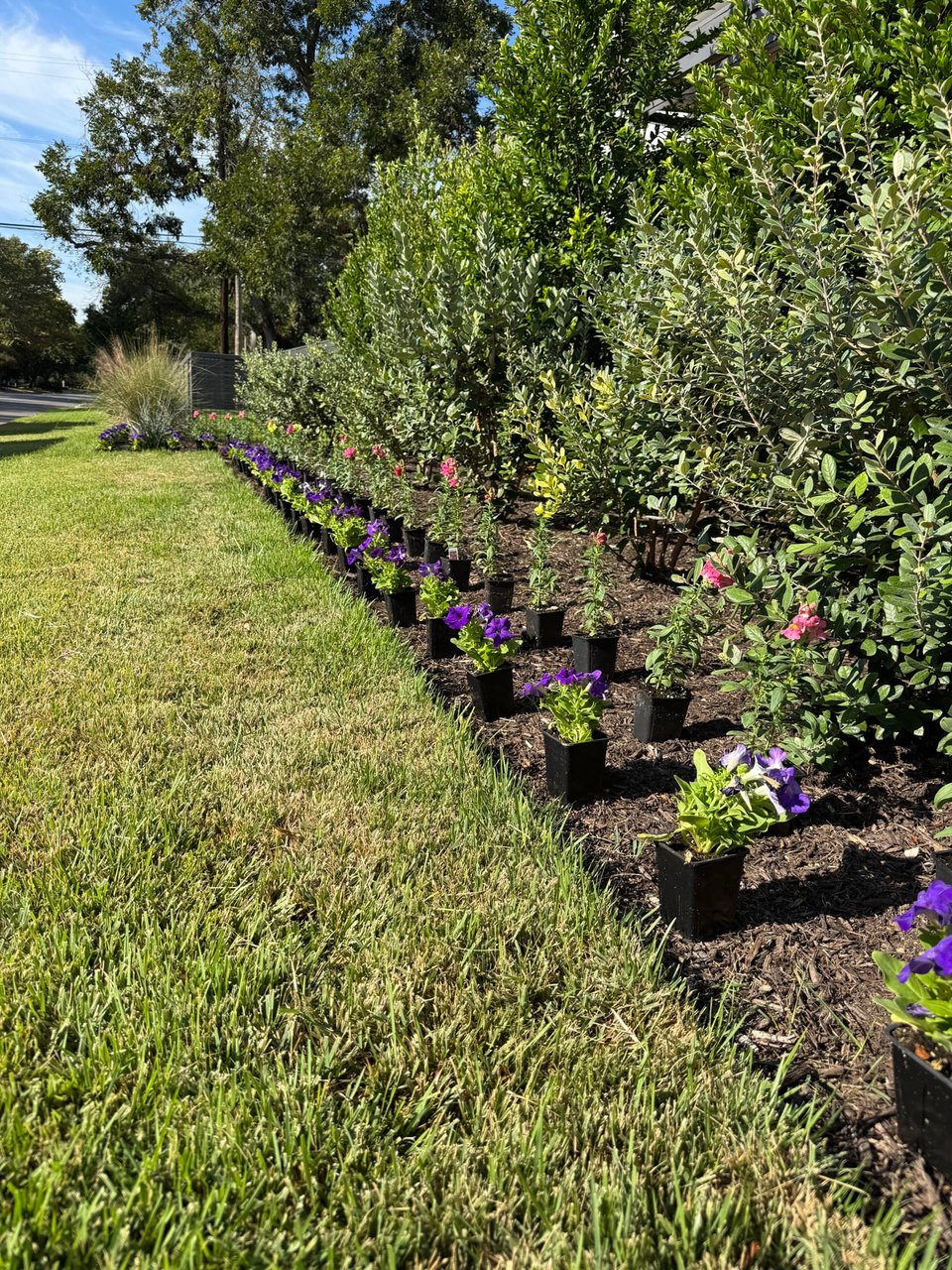
Protect New Plantings: Recently installed landscapes are most vulnerable to washout. Create temporary berms using sandbags or soil to direct water around new plant installations.
Kyle Stoutenger's experience with Hill Country properties has shown that erosion damage during one severe storm event can undo years of landscape investment: "We've seen homeowners lose $20,000+ in landscaping during single storm events because they didn't have proper erosion controls in place."
Professional irrigation and drainage services include permanent erosion control solutions like terracing, bioswales, and engineered drainage systems that protect properties during severe weather.
Smart Irrigation Adjustments for Storm Season
Turn off your irrigation system immediately. Running sprinklers during heavy rain wastes water, violates Austin Water restrictions, and can damage plants through overwatering. Here's how to manage irrigation during the storm period:
Smart Controller Settings: If you have a smart irrigation controller, verify it's connected to local weather data. EPA WaterSense certified controllers automatically skip watering cycles during rain events and can reduce water usage by 30-50%.
Manual System Shutdown: Turn off timer-based systems completely. Don't rely on rain sensors during severe weather - they can malfunction or get overwhelmed by wind-driven rain.
Drainage from Irrigation Lines: Check that irrigation system drainage valves are working. Water trapped in irrigation lines can freeze during temperature drops and cause expensive pipe damage.
Post-Storm System Inspection: After storms pass, inspect sprinkler heads for damage from debris and check that water pressure hasn't shifted spray patterns. Damaged heads can create wet spots that encourage fungal diseases.
Key Takeaway: Proper irrigation management during severe weather protects both your landscape and your wallet. Overwatered plants are more susceptible to storm damage and disease.
Protecting Your Landscape Investment
Quality landscaping delivers 100-200% return on investment, but storm damage can eliminate those gains in a single weather event. Here's how to protect your investment before storms intensify:
Document Current Conditions: Take photos of your landscape, hardscaping, and outdoor structures before storms hit. This documentation helps with insurance claims and repair planning.
Secure Portable Elements: Move planters, outdoor furniture, and decorative elements to protected areas. Wind-blown objects become projectiles that damage other landscape features.
Tree Support Systems: Young trees need additional staking during severe weather. Use flexible ties that allow some movement while preventing uprooting. Rigid staking can cause trunk damage during sustained winds.
Cover Vulnerable Plants: Protect newly planted or sensitive specimens with row cover fabric. Avoid plastic covers that trap heat and moisture. Remove covers as soon as storm conditions improve.
Our property management services include pre-storm preparation and post-storm cleanup to minimize landscape damage during severe weather events.
Post-Storm Recovery Planning
Plan now for post-storm landscape recovery. Here's what you'll need to address after the weather clears:
Drainage System Evaluation: Professional drainage assessment after major storms identifies system weaknesses and upgrade needs. Many homeowners discover their drainage is inadequate only after flooding occurs.
Soil Compaction Issues: Heavy rain on Central Texas clay soils causes compaction that restricts root growth and water infiltration. Plan for soil amendment and aeration once soils dry enough for equipment access.
Plant Disease Prevention: Wet conditions promote fungal diseases in both turf and ornamental plants. Proper air circulation and avoiding overhead watering help prevent disease establishment.
Hardscape Repairs: Stone patios and walkways can shift during heavy rain events. Early repair prevents minor settling from becoming major reconstruction projects.
Tree Health Assessment: Storm-stressed trees need professional evaluation for structural damage, root problems, and disease susceptibility. Certified arborists can identify problems before they become hazards.
Key Takeaway: Proactive post-storm planning minimizes recovery costs and prevents minor storm damage from becoming major landscape problems.
The National Association of Landscape Professionals recommends professional landscape assessment within 48 hours of major weather events to identify and address damage before it compounds.
Why Choose Professional Storm Response
Outdoor Renovations maintains emergency response capabilities specifically for severe weather events across Westlake Hills and Central Texas. Here's what sets professional storm response apart from DIY approaches:
Immediate Damage Assessment: Our licensed contractors identify both obvious and hidden storm damage that untrained eyes miss. Structural problems, drainage issues, and plant diseases require professional diagnosis for effective repair.
Emergency Repair Capabilities: We maintain crews and equipment for rapid response to storm damage. Emergency repairs prevent minor damage from becoming major reconstruction projects during subsequent weather events.
Insurance Documentation: Professional contractors provide detailed damage documentation that supports insurance claims and ensures proper coverage for repairs and replacements.
Long-Term Solutions: Rather than quick fixes, professional storm response includes permanent improvements that prevent future damage during similar weather events.
Our team has responded to hundreds of storm damage calls across Austin Metro and Central Texas since 2022, with a 5-star rating and 1-year service guarantee on all work completed.
Contact Outdoor Renovations today at (512) 743-0570 for immediate storm preparation services and emergency response capabilities. Our licensed, bonded, and insured team provides same-day response for urgent drainage issues and structural repairs across Westlake Hills, Lakeway, Bee Cave, and all of Travis County. Don't wait for more severe weather to hit - protect your landscape investment with professional storm preparation and rapid damage response services.
Serving Westlake Hills & Central Texas
Landscaping Services Near You
Frequently Asked Questions
How do I check if my drainage system can handle heavy rain after recent wind damage?
Walk your property and look for clogged gutters, blocked storm drains, or debris in French drains. Test downspouts by running water through them. Check that water flows away from your foundation at a 2% grade (2 inches drop per 10 feet). Clear any leaves or branches from drainage channels.
What should I do if I find loose fence panels or pergola posts after 39 mph winds?
Don't wait for stronger storms to hit. Tighten loose bolts immediately, check that posts are still plumb, and look for cracked concrete footings. Wooden structures may need additional bracing. If you see structural damage, have it professionally repaired before the next storm system arrives.
How much rain can cause erosion problems on Westlake Hills slopes?
Hill Country properties can see erosion with as little as 1 inch of rain per hour on slopes over 15%. With 6 days of storms forecast, even moderate rain can cause cumulative damage. Install erosion barriers, check retaining walls, and ensure proper drainage before storms intensify.
Should I adjust my irrigation system before the week of thunderstorms?
Yes, turn off automatic irrigation immediately. Smart controllers should automatically skip watering cycles, but manual systems need to be shut off. Overwatering during heavy rain periods can cause root rot, foundation problems, and wasted water that violates Austin Water restrictions.
What trees are most vulnerable to storm damage in Westlake Hills?
Non-native trees with shallow root systems like Bradford pears and silver maples are highest risk. Native live oaks and cedar elms are more storm-resistant but should still be checked for dead branches, cracks, or lean after wind events. Prune weak branches before storms intensify.
How do I protect newly planted landscaping from heavy rain and storms?
Stake young trees securely, mulch around plants to prevent soil washout, and create temporary berms to direct water flow. New plantings have shallow roots and need extra protection. Cover delicate plants with breathable fabric if hail is forecast.
Need Landscaping Service in Austin?
Contact Outdoor Renovations today for irrigation drainage services in Austin, TX.