Softscaping & Planting in Westlake Hills - Expert Plant Installation
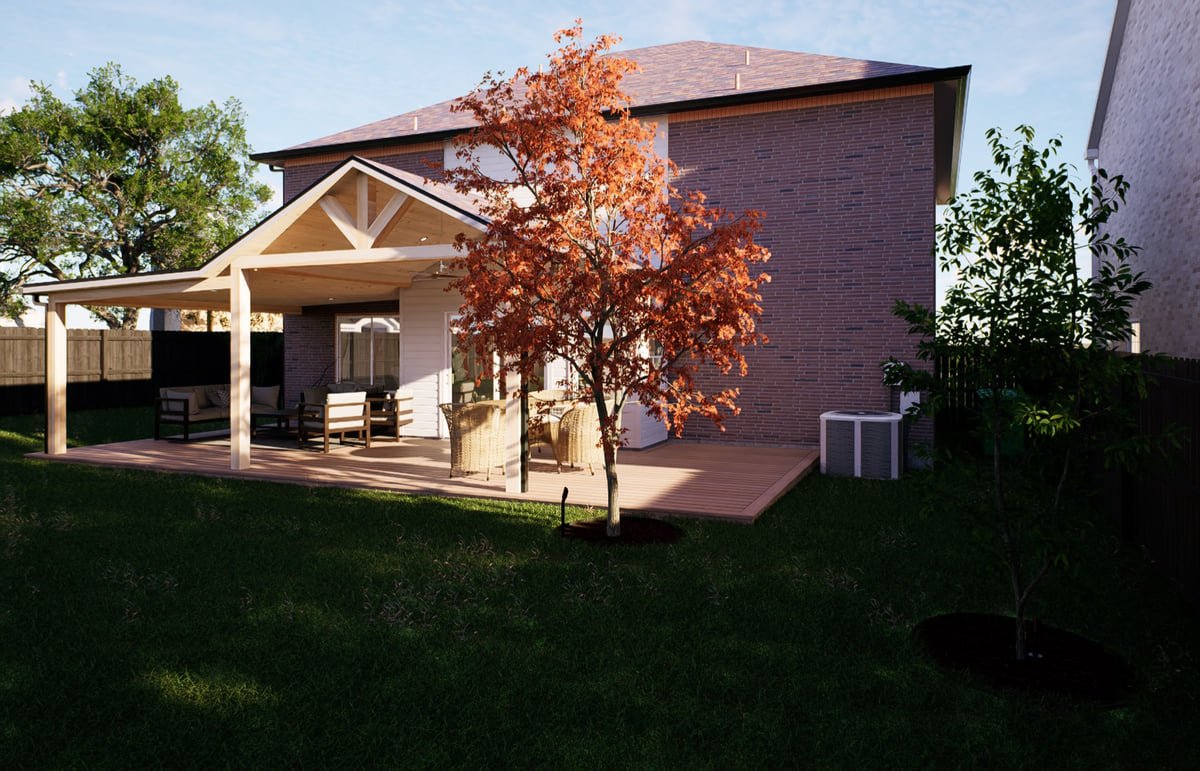
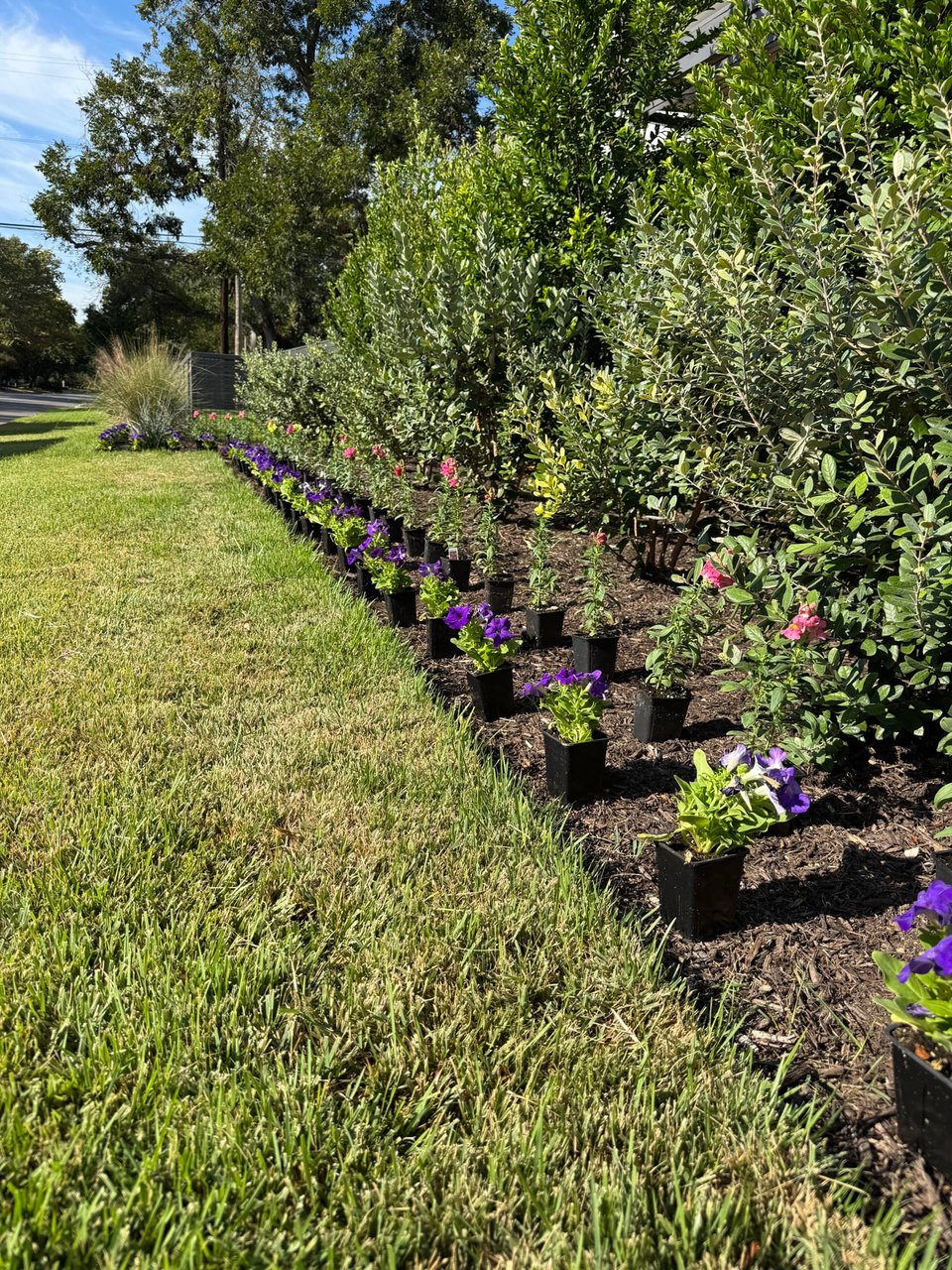
Spring storms are hitting Central Texas hard this week, but they're creating perfect conditions for successful softscaping and planting projects in Westlake Hills. While heavy rains can cause erosion problems, they also provide the deep soil moisture that newly planted trees and shrubs need to establish strong root systems. Outdoor Renovations specializes in expert plant selection, installation, and ongoing enhancements tailored to Westlake Hills' unique mix of limestone substrata and mature tree canopy conditions.
Softscaping & Planting Guide for Westlake Hills Homeowners Professional softscaping combines plant selection, soil preparation, and strategic placement to create sustainable landscapes. Spring's natural moisture and moderate temperatures make it ideal for establishing new plantings before summer heat arrives. Our licensed team selects native and adapted species that thrive in Westlake Hills' alkaline limestone soils while meeting Austin Water's conservation requirements.
Understanding Westlake Hills' Unique Growing Conditions
Westlake Hills presents fascinating challenges that separate amateur gardeners from professional landscapers. The terrain shifts from shallow limestone outcroppings to deep Austin clay within the same property. This geological diversity requires different approaches to plant selection and installation techniques.
Kyle Stoutenger has worked in these challenging conditions for over 16 years, and he's learned that success depends on matching plants to specific microclimates. "I've seen too many beautiful landscapes fail because contractors treated Westlake Hills like a uniform growing environment," Kyle explains. "You might have perfect drainage on a limestone shelf and water-logged clay just 20 feet away."
The mature tree canopy creates additional complexity. Established live oaks and cedar elms provide valuable shade but compete aggressively for water and nutrients. Root systems extend far beyond the drip line, often reaching three times the tree's height in diameter. Professional plant selection accounts for this root competition by choosing species that can coexist with established trees.
Spring temperatures ranging from 71°F to 93°F this week provide ideal conditions for root development. Plants installed during this window have months to establish before facing their first Central Texas summer, when temperatures regularly exceed 105°F.
Strategic Plant Selection for Long-Term Success
Successful softscaping starts with understanding the engineering principles behind plant establishment. Root zone temperatures, soil moisture retention, and pH compatibility determine whether plants thrive or merely survive. In Westlake Hills' alkaline limestone soils (typically pH 7.5-8.5), plant selection becomes critical for long-term success.
Native Texas plants have evolved specific adaptations for these conditions. Texas sage (Leucophyllum frutescens) develops extensive root systems that penetrate limestone fractures, accessing deep moisture reserves during drought periods. Flame acanthus (Anisacanthus quadrifidus var. wrightii) creates mycorrhizal associations with soil fungi, improving nutrient uptake in poor soils.
Our landscape design process includes detailed soil analysis to determine specific growing conditions across your property. We test for pH, organic matter content, drainage rates, and compaction levels. This data drives plant placement decisions that maximize establishment success rates.
The Texas A&M AgriLife Extension provides excellent research on native plant performance in Central Texas conditions. Their studies show that properly selected native plants require 50-70% less water than traditional landscape plants once established.
Kyle Stoutenger's experience shows that the most common mistake other contractors make is assuming all native plants perform equally well in any Central Texas location. "Lindheimer muhly grass thrives in well-drained limestone soils but struggles in clay depressions," he notes. "Understanding these nuances makes the difference between a landscape that establishes successfully and one that requires constant replacement."
Key Takeaway: Professional plant selection requires matching specific species to exact soil and moisture conditions. Native plants aren't universally adaptable - they need proper placement to achieve their drought-tolerant potential.
Professional Installation Techniques for Westlake Hills Terrain
Installing plants correctly in Westlake Hills requires specialized techniques that address both limestone hardpan and expansive clay challenges. Standard planting methods often fail because they don't account for these extreme soil variations.
For limestone areas, we use percussion drilling equipment to create planting holes that penetrate rock layers. Hand digging rarely reaches sufficient depth for proper root development. The Lady Bird Johnson Wildflower Center's research shows that root penetration depth directly correlates with drought survival rates in Central Texas natives.
Clay soil areas require different approaches entirely. Houston Black clay series soils expand and contract dramatically with moisture changes, creating challenging conditions for root establishment. We install plants in raised beds or amended soil mixtures that provide consistent drainage and prevent root suffocation during wet periods.
Our installation process includes creating transition zones between different soil types. These gradual changes help root systems adapt as they spread across varying conditions. We also install organic matter amendments that improve soil structure over time, creating better growing conditions for future plantings.
Proper timing coordination with irrigation and drainage systems ensures plants receive consistent moisture during establishment without creating waterlogged conditions. Smart irrigation controllers provide 30-50% water reduction while maintaining optimal root zone moisture levels.
Spring installation timing takes advantage of natural rainfall patterns. This week's storm systems provide deep moisture penetration that supplements irrigation during the critical establishment period. Plants installed now develop stronger root systems than those installed during drier periods.
Addressing Austin Water Restrictions Through Smart Plant Choices
Austin Water enforces Stage 1-4 mandatory water restrictions year-round, making water-efficient plant selection essential for long-term landscape success. Professional softscaping design incorporates these restrictions from the planning stage rather than treating them as limitations.
Native and adapted plants provide the foundation for water-efficient landscapes. Once established, species like cedar elm and live oak require no supplemental irrigation except during extreme drought conditions. This drought tolerance develops over 1-2 growing seasons as root systems expand and adapt to local moisture patterns.
The EPA's WaterSense program provides guidelines for water-efficient landscape design that we incorporate into every project. Their research shows that proper plant selection and placement can reduce landscape water use by 50% or more compared to traditional designs.
Grouping plants by water requirements creates irrigation zones that maximize efficiency while meeting each species' specific needs. Drought-tolerant natives occupy areas with minimal irrigation, while higher-water plants cluster near natural drainage areas or in spots that receive additional moisture from runoff.
Kyle Stoutenger has observed that homeowners often underestimate how quickly native plants establish drought tolerance. "I've had clients worry about their new Texas sage or flame acanthus looking stressed during the first summer," he explains. "But by year two, these plants are thriving with minimal water while non-native plants struggle despite constant irrigation."
Our property management services include irrigation audits that ensure systems operate efficiently throughout establishment and beyond. Smart controllers adjust watering schedules based on weather conditions, soil moisture, and seasonal plant requirements.
Key Takeaway: Water restrictions aren't obstacles to beautiful landscapes - they're opportunities to create more sustainable, lower-maintenance outdoor spaces using native plant communities that thrive naturally in Central Texas conditions.
Integration with Hardscaping and Structural Elements
Professional softscaping creates seamless transitions between planted areas and structural landscape elements. The relationship between plants and hardscape features determines both aesthetic success and long-term functionality.
Plant placement around hardscaping features requires understanding root growth patterns and mature plant sizes. Live oak trees planted too close to patios or retaining walls can cause expensive damage as root systems expand. We calculate mature spread dimensions and plan appropriate spacing during installation.
Limestone retaining walls and natural stone features create favorable microclimates for many native plants. The thermal mass of stone moderates temperature swings while providing wind protection for establishing plants. We use these beneficial conditions to extend the range of suitable plant species beyond what open areas can support.
Drainage considerations become critical when integrating plants with hardscape features. Poor drainage around foundations or structures can cause significant problems, while plants placed in naturally wet areas may struggle without proper soil amendments. Our installation process addresses these relationships through proper grading and soil preparation.
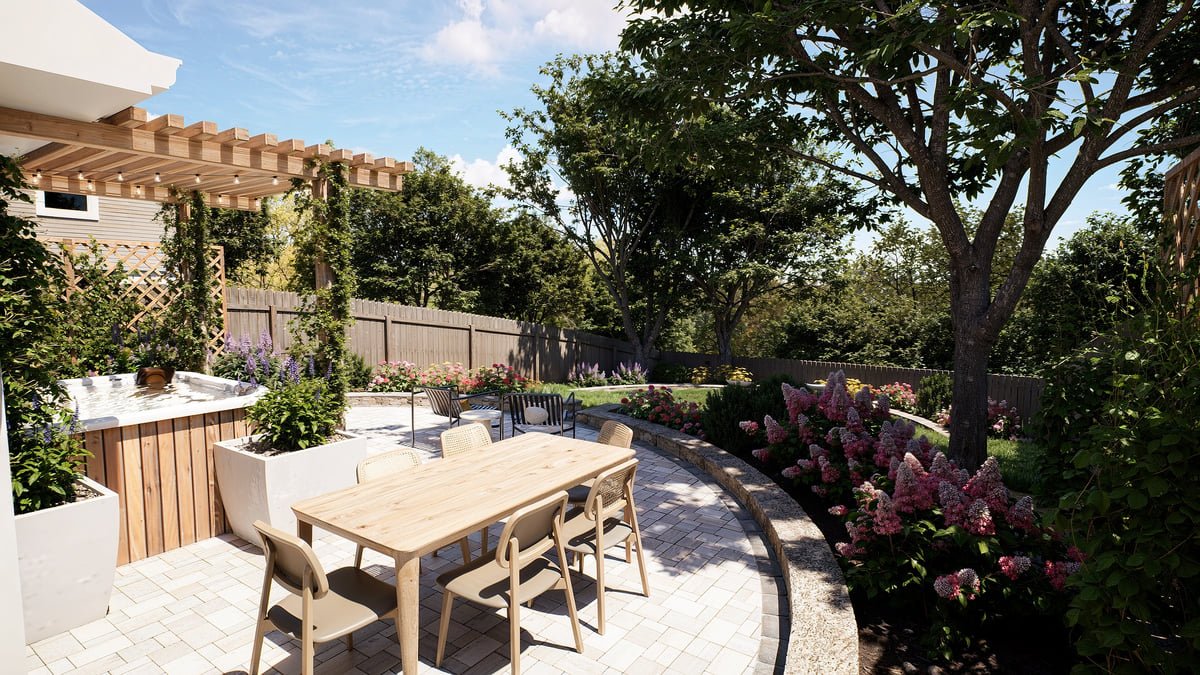
Custom carpentry elements like pergolas and arbors provide support structures for climbing plants while creating additional shade zones for understory plantings. We select vine species that complement wooden structures without causing damage through excessive weight or invasive growth habits.
The engineering behind successful plant-hardscape integration involves understanding load-bearing requirements, thermal expansion, and moisture management. Plants placed against structures can create humidity problems if drainage isn't properly managed, while the right plant choices can actually improve building performance through strategic shading and evapotranspiration cooling.
Maintenance Planning for Long-Term Success
Successful softscaping requires strategic maintenance planning that evolves as plants establish and mature. The first two growing seasons are critical for developing drought tolerance and structural strength that will carry plants through their productive lifespan.
Newly installed plants need consistent moisture management during establishment, but overwatering causes more failures than drought stress in Central Texas conditions. Root rot from excessive moisture kills more landscape plants than heat stress, particularly in clay soil areas where drainage is naturally poor.
Our maintenance approach focuses on developing plant independence rather than creating high-maintenance dependencies. Native plants that receive appropriate establishment care typically require minimal ongoing attention beyond occasional pruning and mulch replenishment.
Organic mulch application provides multiple benefits that reduce long-term maintenance requirements. A 3-4 inch layer moderates soil temperature, conserves moisture, and suppresses weed competition while gradually decomposing to improve soil structure. We select mulch materials that complement plant choices and local aesthetic preferences.
Pruning timing and techniques vary significantly among native species. Spring-blooming plants like flame acanthus require different approaches than fall-blooming species. Understanding these timing requirements prevents accidental removal of flower buds while maintaining plant health and appearance.
Kyle Stoutenger's experience shows that the biggest maintenance mistake homeowners make is treating native plants like traditional landscape plants. "Native Texas plants often look their best with minimal intervention," he explains. "Over-fertilizing or excessive pruning can actually reduce their natural drought tolerance and disease resistance."
Landscape lighting placement must account for plant growth patterns to maintain effectiveness as landscapes mature. We plan lighting locations that accommodate mature plant sizes while providing adequate illumination for safety and aesthetic purposes.
Key Takeaway: Professional maintenance planning reduces long-term costs while improving plant performance. Native plants thrive with minimal intervention once properly established, making them ideal for sustainable landscape design.
Seasonal Advantages of Spring Planting
Spring planting windows provide optimal conditions for root establishment that translate into better summer survival rates and faster landscape maturation. Current weather patterns with temperatures from 71°F to 93°F and abundant moisture create ideal growing conditions for most Central Texas plants.
Root development occurs most rapidly during mild temperature periods when plants can focus energy on underground growth rather than heat stress management. Plants installed this spring have 4-5 months to develop extensive root systems before facing their first Central Texas summer.
Natural rainfall patterns during spring reduce irrigation requirements while providing deep moisture penetration that encourages strong root development. This week's severe thunderstorms, while potentially problematic for erosion control, provide the deep soil saturation that newly planted trees and shrubs need for rapid establishment.
The National Weather Service data shows that spring moisture patterns in Central Texas are generally favorable for plant establishment, with sufficient rainfall to support new plantings without excessive waterlogging that can damage root systems.
Soil temperatures during spring planting season promote beneficial microbial activity that supports plant establishment. Mycorrhizal fungi that form symbiotic relationships with plant roots are most active during moderate temperature periods, creating partnerships that improve nutrient uptake and drought tolerance.
Professional installation scheduling takes advantage of these seasonal conditions while avoiding common pitfalls. We monitor soil moisture levels to ensure planting occurs when conditions support root development without creating anaerobic soil conditions that damage newly installed plants.
ROI and Property Value Enhancement
Quality landscaping delivers 100-200% return on investment according to National Association of Landscape Professionals research. Professional softscaping contributes significantly to this return through both immediate curb appeal improvements and long-term property value enhancement.
Mature native landscapes require minimal ongoing maintenance costs compared to traditional high-maintenance designs. This cost advantage compounds over time, making professional plant selection and installation a wise financial decision for long-term property ownership.
Energy savings from strategic plant placement can reduce cooling costs by 10-30% during Central Texas summers. Large shade trees planted on south and west exposures significantly reduce air conditioning loads while creating comfortable outdoor living spaces.
The landscape design process includes property value analysis that identifies high-impact improvements within budget constraints. Strategic plant placement around key view areas and outdoor living spaces maximizes aesthetic impact while controlling project costs.
Professional installation quality affects long-term value retention. Plants that establish successfully and thrive with minimal maintenance continue providing value for decades, while poor installation quality creates ongoing replacement costs that erode initial investment returns.
Water conservation benefits from native plant landscapes become increasingly valuable as Austin Water expands conservation requirements. Properties with established drought-tolerant landscapes maintain their appeal even during severe water restrictions that limit irrigation options.
Ready to transform your Westlake Hills property with professional softscaping and planting? Outdoor Renovations combines Kyle Stoutenger's 16+ years of Central Texas experience with proven installation techniques that ensure your landscape investment thrives for decades. We're currently scheduling spring installations to take advantage of ideal growing conditions. Contact us at (512) 743-0570 to discuss your softscaping project and receive a detailed consultation tailored to your property's specific conditions.
Softscaping & Planting in Westlake Hills & Central Texas
Landscaping Services Near You
Frequently Asked Questions
What's the best time to plant in Westlake Hills?
Spring (March-May) and fall (September-November) are ideal planting windows in Westlake Hills. Spring allows plants to establish before summer heat, while fall gives roots time to develop before winter dormancy.
Which native plants work best in Westlake Hills' limestone soil?
Texas sage, flame acanthus, cedar elm, and live oak thrive in Westlake Hills' alkaline limestone conditions. These natives are drought-tolerant and require minimal water once established.
How much does professional softscaping cost in Westlake Hills?
Softscaping projects vary based on plant selection, property size, and soil conditions. Professional installation typically provides 100-200% return on investment through increased property value and reduced maintenance costs.
Do I need special soil amendments for Westlake Hills clay and limestone?
Yes, Westlake Hills' mixed clay and limestone soils often need organic amendments to improve drainage and root penetration. We test soil pH and structure to determine specific amendment needs.
How do Austin water restrictions affect plant selection?
Austin Water's year-round restrictions make native and adapted plants essential. We select drought-tolerant species that thrive with minimal irrigation once established, typically after 1-2 growing seasons.
What maintenance is required after professional planting?
New plantings need regular watering for 6-12 months during establishment. After that, native plants require minimal maintenance beyond occasional pruning and mulch replenishment.
Need Landscaping Service in Austin?
Contact Outdoor Renovations today for softscaping planting services in Austin, TX.