Storm-Ready Drainage: Prepare Your Tarrytown Landscape for Heavy Rain
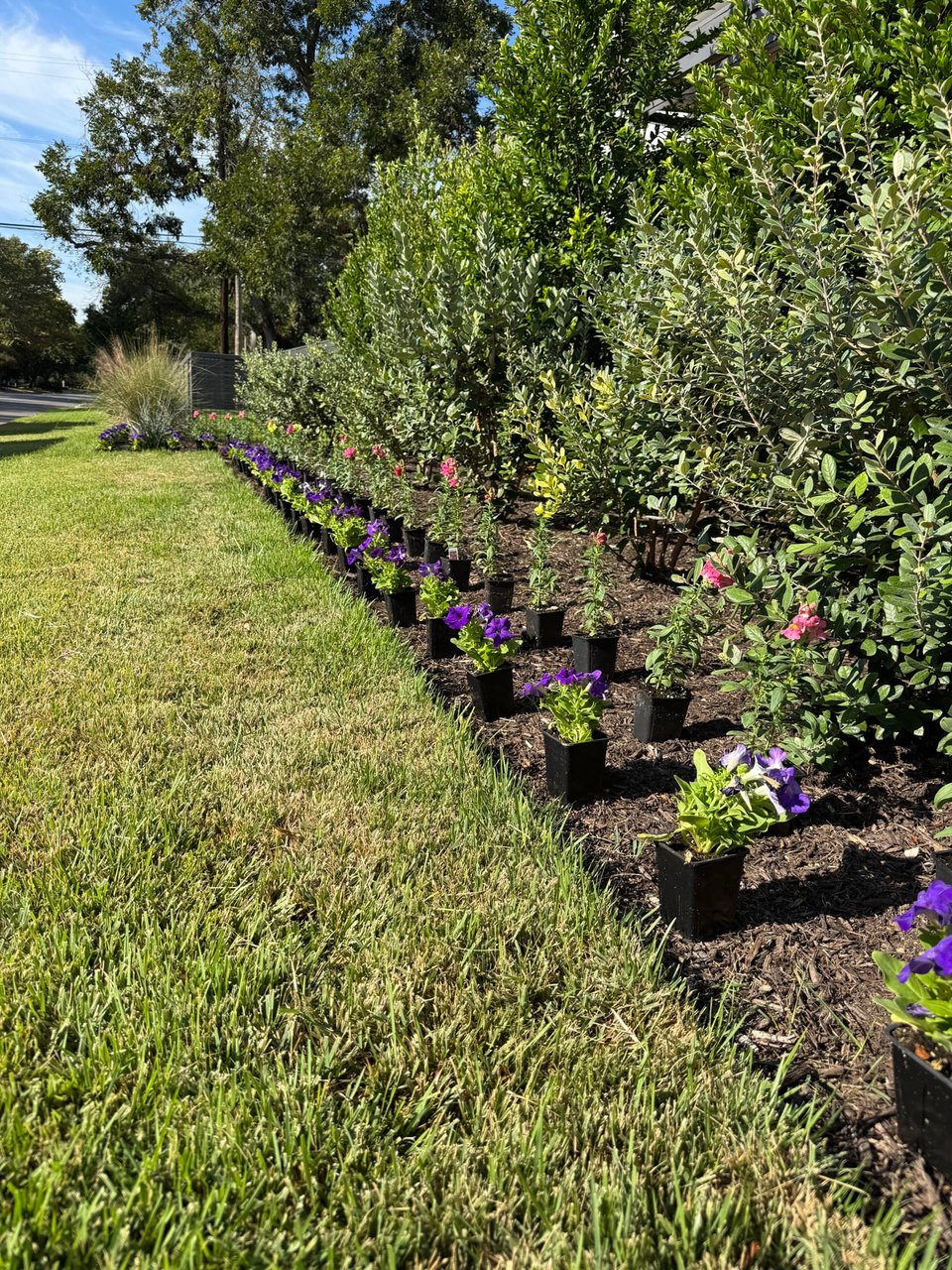
When severe thunderstorms roll through Tarrytown this week, your landscape's drainage system will face its biggest test of the spring season. With five days of rain forecast from April 20-26, including heavy downpours that could dump several inches in short bursts, now's the time to ensure your property can handle the deluge. Outdoor Renovations has helped hundreds of Central Texas homeowners protect their landscapes from storm damage through proper drainage solutions and preventive maintenance.
Immediate Action Summary for Tarrytown Homeowners Severe thunderstorms with heavy rain are forecast for April 20-26 across Travis County. Outdoor Renovations recommends inspecting gutters, clearing drain outlets, securing outdoor items, and checking for existing drainage problems before Tuesday's storms arrive. Properties with poor drainage risk erosion, foundation issues, and landscape damage during this weather pattern.
Understanding This Week's Storm Pattern
The forecast shows a classic spring storm sequence that Central Texas knows well. Starting Monday with temperatures around 65°F, we'll see persistent thunderstorm activity through Wednesday as a slow-moving front interacts with Gulf moisture. The real concern isn't just the total rainfall—it's the intensity and duration.
Tuesday and Wednesday pose the highest risk for flash flooding. When storms dump 2-3 inches per hour on our area's mix of limestone bedrock and clay soils, even well-designed landscapes can struggle. The Hill Country's steep topography channels runoff rapidly, while the clay soils common in eastern Travis County become impermeable when saturated.
Kyle Stoutenger, Licensed Landscape Contractor and owner of Outdoor Renovations, has seen this pattern damage countless properties over his 16+ years in Austin Metro. "The biggest mistake homeowners make is thinking their landscape can handle any amount of rain," he explains. "But there's a tipping point where even good drainage gets overwhelmed."
Critical Pre-Storm Inspection Checklist
Your drainage system needs a thorough check before Monday's first storms arrive. Start with your roof's water management system—gutters and downspouts that funnel thousands of gallons during heavy rain.
Clean all gutters and downspouts completely. A single clogged section can overflow and dump water directly against your foundation or create erosion channels through planted beds. Check that downspout extensions direct water at least 6 feet from your home's foundation and toward appropriate drainage areas.
Inspect all surface drains, including channel drains in driveways and any catch basins on your property. Remove leaves, debris, and sediment that accumulated over winter. A blocked drain becomes useless when you need it most.
Walk your property's perimeter looking for signs of previous erosion or drainage problems. Small channels carved by past storms will become major washouts during heavy rain. Soggy spots that stay wet for days after normal rain indicate poor soil drainage that will fail completely during sustained downpours.
Key Takeaway: Most storm damage happens because existing drainage problems go unnoticed until extreme weather exposes them. A pre-storm inspection reveals vulnerabilities while you still have time to address them.
Protecting Hardscapes and Structures
Your hardscaping elements—patios, walkways, retaining walls, and decorative structures—face specific risks during severe weather. Water is incredibly destructive when it finds weak points in construction or design.
Check all retaining walls for signs of movement or cracking. Even small cracks allow water penetration that can cause catastrophic failure during heavy rain. Look behind walls for proper drainage—weep holes should be clear and functional. If you see water staining or efflorescence (white mineral deposits), your wall's drainage system needs attention.
Paver patios and walkways can shift dramatically when their base material becomes saturated. Walk these surfaces looking for areas that feel soft or spongy underfoot. These spots indicate base failure that will worsen during storms. Proper paver installation includes 4-6 inches of compacted aggregate base, but poor installation often skips this critical step.
Custom carpentry elements like pergolas, decks, and shade structures need securing before high winds arrive. Check all connections and fasteners. Remove or secure any loose decorative elements that could become projectiles.
Soil and Plant Protection Strategies
Central Texas soils present unique challenges during heavy rain events. Our predominant Houston Black clay series becomes nearly impermeable when saturated, creating surface runoff that can strip topsoil and damage plant root systems.
The limestone bedrock common throughout the Hill Country creates different problems. Rain that can't penetrate bedrock creates flash runoff that can carve deep erosion channels in minutes. Properties built on slopes need particular attention to water management.
Your softscaping and planting areas need strategic protection. Newly planted trees and shrubs are especially vulnerable. Their root systems haven't established enough to anchor them against saturated soil conditions.
Stake young trees securely but not rigidly—they need some movement to develop strong root systems. Check existing stakes and ties, replacing any that show wear. Mulch rings help protect root zones, but avoid volcano mulching that sheds water away from roots.
Key Takeaway: Clay soils become nearly impermeable when wet, creating surface runoff that can overwhelm even well-designed drainage systems. Understanding your soil type determines the best protection strategies.
Emergency Drainage Solutions
When existing drainage proves inadequate during severe weather, emergency measures can prevent major damage. These temporary solutions buy time until permanent improvements can be installed.
Sand bags remain one of the most effective emergency tools for directing water flow. Place them strategically to guide runoff away from structures and toward appropriate drainage areas. However, sand bags work only when positioned correctly—improper placement can make flooding worse.
Temporary drainage channels can be cut quickly using shovels or trenching tools. The key is understanding where water wants to go naturally and helping it get there safely. Fighting natural water flow usually fails and causes more damage.
For immediate protection of valuable plants, consider temporary plastic sheeting or tarps. These work best for protecting plant beds from erosion rather than trying to keep plants dry. Proper installation requires securing edges to prevent wind damage while allowing some air circulation.
Long-Term Drainage Solutions
While emergency measures help during immediate crises, lasting protection requires proper irrigation and drainage infrastructure designed for Central Texas conditions.
French drains represent the gold standard for subsurface drainage in our clay soils. These systems collect and redirect groundwater before it can cause problems. Proper French drain installation requires specific aggregate sizing—typically 3/4-inch crushed stone—and perforated pipe positioned at precise grades.
The EPA's WaterSense program provides guidelines for efficient drainage that complement water conservation efforts. Smart drainage design captures and uses stormwater rather than simply directing it away, supporting landscape irrigation during dry periods.
Surface drainage solutions include channel drains for hardscapes and bioswales for natural areas. These systems handle high-volume water flow while filtering pollutants and reducing erosion. Professional installation ensures proper sizing and positioning for maximum effectiveness.
Kyle Stoutenger's experience across Austin Metro has shown that drainage problems compound over time. "What starts as a small soggy spot becomes a major foundation threat within a few years," he notes. "Addressing drainage issues promptly saves thousands in future repairs."
Key Takeaway: Effective drainage systems work with Central Texas geography and weather patterns, not against them. Professional design considers soil types, topography, and local climate to create lasting solutions.
Smart Technology for Storm Management
Modern technology offers sophisticated tools for managing landscape drainage and irrigation during severe weather events. Smart irrigation controllers can automatically shut off during rain events, preventing oversaturation that contributes to drainage problems.
Weather-based controllers use local meteorological data to adjust irrigation schedules. During this week's storm pattern, these systems will recognize approaching rain and delay scheduled watering cycles. This prevents the double whammy of saturated soils from irrigation plus heavy rain from storms.
According to Texas A&M AgriLife Extension, smart controllers can reduce water usage by 30-50% while actually improving plant health. During storm seasons, this technology prevents irrigation-related drainage problems while maintaining landscape health.
Soil moisture sensors provide real-time data about ground conditions. These devices help homeowners understand when their soil reaches saturation levels that increase drainage risks. Professional installation ensures sensors are positioned at appropriate depths for accurate readings.
Post-Storm Recovery Planning
Even with perfect preparation, severe storms can cause landscape damage. Having a recovery plan ready minimizes long-term problems and gets your outdoor spaces back to normal quickly.
Document any storm damage with photographs before cleanup begins. This documentation helps with insurance claims and provides valuable information for future drainage improvements. Focus on areas where water pooled, erosion occurred, or plants suffered damage.
Avoid walking on saturated clay soils, which compact easily when wet. This compaction creates long-term drainage problems and root zone damage for established plants. Wait until soils dry sufficiently before assessing plant damage or beginning repairs.
Emergency tree services may be needed if storms damage large specimens. However, avoid hasty removal decisions—many trees that look severely damaged can recover with proper care. Professional arborists can assess whether damaged trees pose safety risks or can be saved.
The Lady Bird Johnson Wildflower Center recommends using storm recovery as an opportunity to introduce native plants that handle extreme weather better than non-adapted species. Native Texas plants evolved with our climate patterns and typically recover faster from storm damage.
Professional Storm Preparation Services
While homeowners can handle basic storm preparation, complex drainage issues require professional expertise. Outdoor Renovations offers emergency storm preparation services throughout Tarrytown and surrounding Central Texas communities.
Professional drainage assessment identifies problems that aren't obvious to untrained eyes. Our team uses specialized equipment to measure soil compaction, test drainage rates, and identify underground issues that contribute to surface problems.
Emergency drainage installation can often be completed between weather systems. Our crews understand how to work safely and efficiently during active weather patterns, installing temporary or permanent solutions that protect properties during ongoing storm threats.
Property management services include ongoing maintenance that prevents storm-related problems. Regular gutter cleaning, drain maintenance, and landscape inspection catch issues before they become emergencies.
Kyle Stoutenger emphasizes the value of professional preparation: "Spending a few hundred dollars on drainage improvements before storms can save thousands in damage repairs afterward. It's always cheaper to prevent problems than fix them."
Key Takeaway: Professional storm preparation focuses on preventing damage rather than reacting to it. Experienced contractors can identify and address vulnerabilities that homeowners often miss.
This week's severe weather pattern will test every landscape drainage system in Tarrytown. Properties with proper preparation and adequate drainage will weather the storms with minimal damage. Those with existing problems will likely face significant issues that compound over time.
Don't wait until you're dealing with a flooded landscape or foundation problems. Take action now to protect your property investment and ensure your outdoor spaces can handle whatever Central Texas weather brings.
Contact Outdoor Renovations at (512) 743-0570 for professional storm preparation services. Our licensed team provides emergency drainage solutions, comprehensive property assessment, and long-term protection strategies tailored to your specific landscape needs. With over 200 completed projects and a 5-star rating, we're your trusted partner for keeping your Tarrytown landscape safe and beautiful through any weather.
Serving Tarrytown & Central Texas
Landscaping Services Near You
Need Landscaping Service in Austin?
Contact Outdoor Renovations today for irrigation drainage services in Austin, TX.