Severe Storm Prep: Protecting Your Dripping Springs Landscape
This week's forecast shows severe thunderstorms heading for Dripping Springs and the Hill Country, with temperatures climbing to 95°F before storms arrive Tuesday and Wednesday. As your local landscape professionals, Outdoor Renovations wants to help you protect your outdoor investment before these weather systems impact Hays County properties.
Immediate Action Summary for Dripping Springs Homeowners Severe storms forecast for May 28-June 3 with heavy rain and potential flooding. Outdoor Renovations recommends immediate inspection of drainage systems, securing outdoor structures, and protecting irrigation equipment. Clear gutters and French drains now, trim dangerous branches, and turn off irrigation systems before Tuesday's storms arrive in the Hill Country.
Understanding Storm Risks in Hill Country Properties
Dripping Springs sits in the heart of Texas Hill Country, where steep terrain and limestone geology create unique challenges during severe weather. The area's elevation changes and rocky soil composition affect how water moves across your property during heavy rain events.
Hill Country properties face three main storm-related risks: flash flooding in low areas, erosion on slopes, and drainage system overwhelm. The limestone bedrock common in Dripping Springs doesn't absorb water quickly, causing runoff to move fast across the surface. This means even moderate rainfall can create significant water flow issues.
Your landscape's drainage system becomes critical during these events. Poor drainage can flood plant beds, damage hardscaping, and even threaten your home's foundation. The key is preparing these systems before storms arrive, not after damage occurs.
Key Takeaway: Hill Country terrain requires proactive drainage management. Properties with steep grades need special attention to prevent erosion and flooding during severe weather events.
Pre-Storm Irrigation System Protection
Smart irrigation management starts before the first raindrop falls. Kyle Stoutenger, Licensed Landscape Contractor and owner of Outdoor Renovations, recommends shutting down automatic systems 24 hours before predicted storms arrive. This prevents system damage and avoids overwatering already saturated soil.
Check your irrigation controller and switch to manual mode. This gives you complete control over when water applies to your landscape. Many homeowners forget this step and end up with systems running during heavy rain, which wastes water and can damage plants through oversaturation.
Inspect sprinkler heads for proper positioning and clear debris from around them. Storm winds often shift or clog emitters with leaves and small branches. A quick walk-through now saves you from finding broken or misdirected sprinklers after the weather passes.
Our irrigation and drainage services include storm preparation protocols that have protected hundreds of Central Texas properties. We inspect valve boxes for proper drainage, check backflow preventers for secure mounting, and verify that all system components can handle the pressure changes that occur during severe weather.
Essential Drainage System Inspection
Your property's drainage infrastructure works hardest during severe storms. Start with gutters and downspouts - these handle the first line of water management from your roof. Clear all debris and check that water flows freely through the entire system.
French drains require special attention in Hill Country properties. These underground systems collect and redirect water away from structures and plant beds. Check that surface inlets aren't blocked by mulch or fallen leaves. Test the system by running water through it and confirming proper flow.
Surface drainage becomes critical on sloped lots common in Dripping Springs. Walk your property and identify where water naturally wants to flow during heavy rain. Look for areas where erosion has started or where water might pool against structures.
The Texas A&M AgriLife Extension recommends checking drainage systems twice yearly, but pre-storm inspections are essential when severe weather approaches. Their research shows that properly maintained drainage can prevent 80% of storm-related landscape damage in Central Texas properties.
Key Takeaway: Drainage system failure during storms causes expensive damage to landscapes and structures. A 30-minute inspection before severe weather can prevent thousands in repair costs.
Protecting Outdoor Structures and Hardscaping
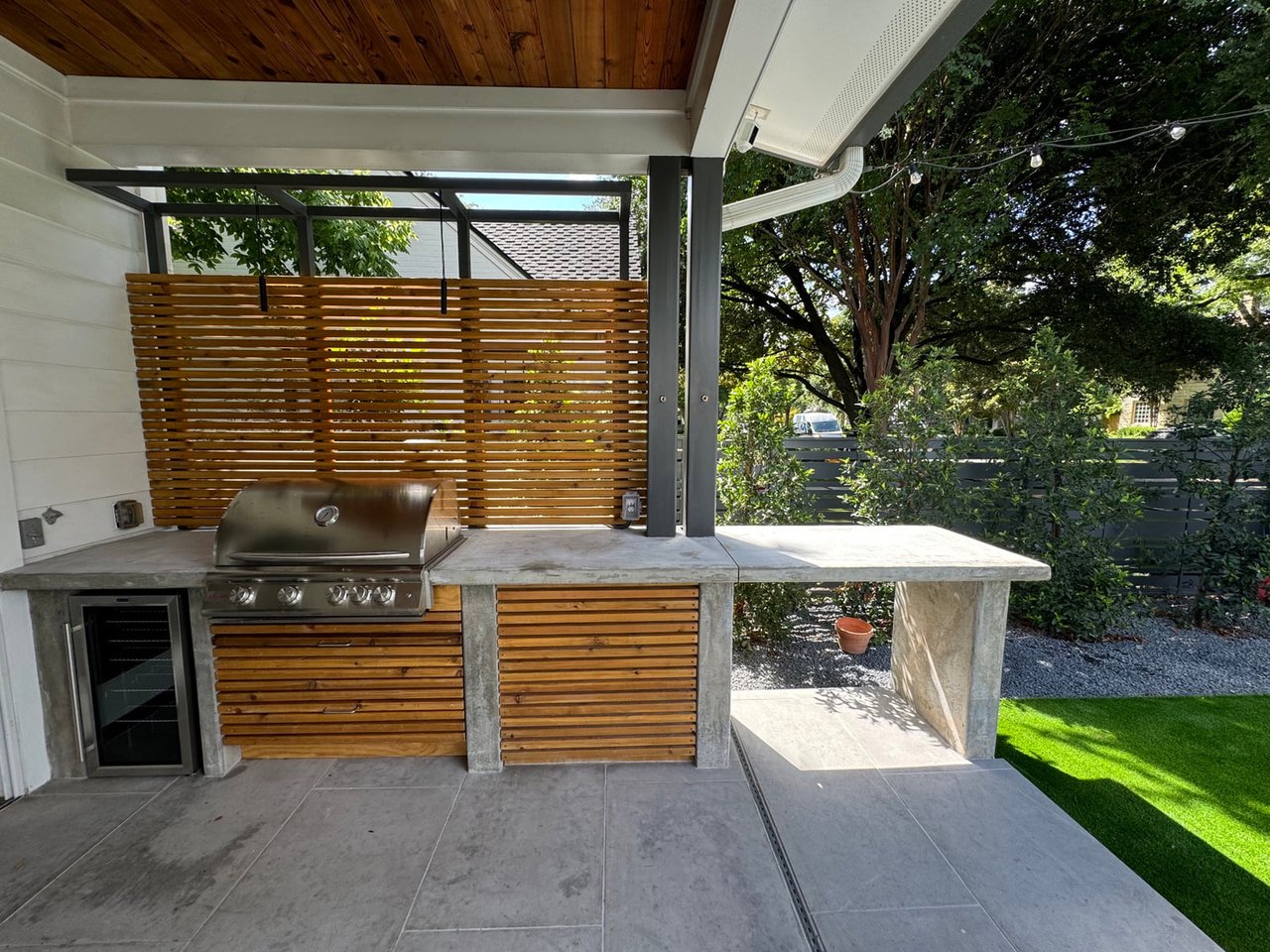
Your custom carpentry installations need storm preparation too. Pergolas, gazebos, and shade structures face high wind loads during severe weather. Check all hardware connections and ensure proper anchoring to concrete footings.
Outdoor furniture requires immediate attention when storms approach. Lightweight pieces become projectiles in high winds. Store or secure tables, chairs, umbrellas, and planters. Even heavy items can shift during severe weather and damage nearby plants or structures.
Fencing takes a beating during storms, especially if drainage issues cause soil saturation around post footings. Check for loose posts or damaged sections that might fail under wind pressure. Wooden fences need special attention where soil stays wet, as this weakens the connection between posts and ground.
Hardscaping elements like retaining walls and patios generally handle storms well, but check for any loose stones or damaged mortar joints. Water can penetrate small cracks during storms and cause significant expansion damage when temperatures drop after the weather passes.
Professional contractors know that proper installation makes the difference during severe weather. Our hardscaping projects use engineered footings and drainage that protect against storm damage throughout Central Texas.
Plant and Tree Storm Preparation
Tree management before storms focuses on safety, not aesthetics. Remove dead, damaged, or weakly attached branches that could fall during high winds. Pay special attention to limbs hanging over structures, vehicles, or high-traffic areas.
Avoid heavy pruning during late spring when trees are actively growing. This timing weakens the tree and creates entry points for disease. Stick to safety trimming only - removing obvious hazards without stressing the plant.
Native Central Texas trees like live oaks and cedar elms handle storms better than non-native species. Their deep root systems and flexible wood resist wind damage. If you're planning new plantings, consider these storm-resistant options for long-term landscape resilience.
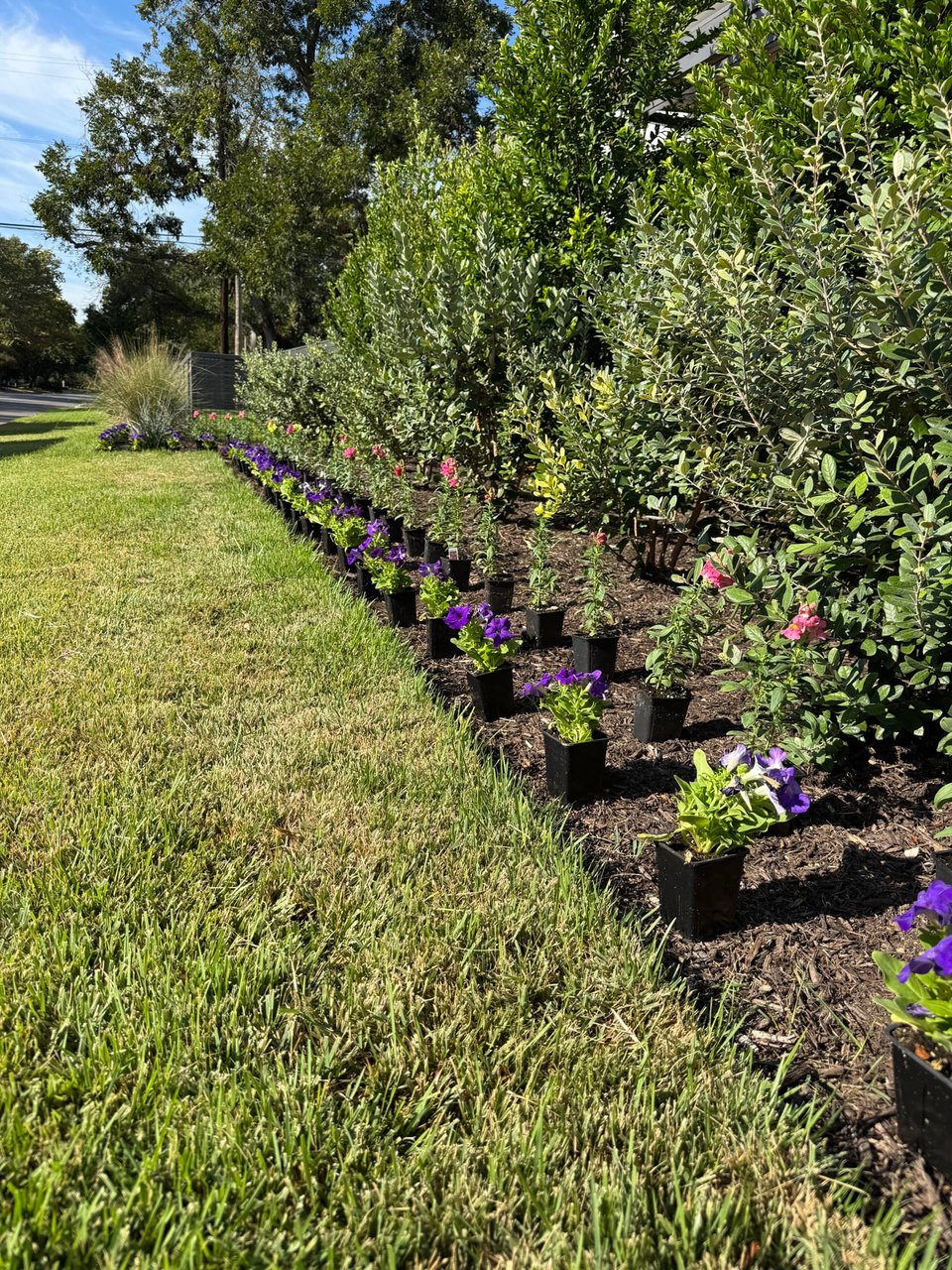
Plant beds need protection from both wind and water damage. Secure tall plants with temporary stakes if they're newly installed. Check that mulch isn't piled against plant stems, as storm water can carry fungal diseases into contact with sensitive bark.
The Lady Bird Johnson Wildflower Center emphasizes that native plants naturally resist storm damage better than exotic species. Their research shows native Texas plants recover faster from severe weather and require less maintenance after storm events.
Key Takeaway: Focus tree trimming on safety hazards only before storms. Native plants naturally resist storm damage better than non-native species and recover faster after severe weather.
Managing Soil and Erosion Risks
Hill Country soil presents unique challenges during heavy rain. The common limestone and caliche subsoil don't absorb water quickly, leading to rapid surface runoff on sloped properties. This runoff can strip topsoil and damage plantings if not properly managed.
Existing erosion areas need immediate attention before storms arrive. Small gullies can become major drainage channels during heavy rain. Fill minor erosion with appropriate soil and consider installing temporary erosion barriers until permanent solutions can be implemented.
Mulch management becomes critical during storm preparation. Properly applied mulch protects soil from erosion, but loose mulch can wash away during heavy rain. Check that organic mulch is sized appropriately - pieces should be 1-3 inches long to resist washing while still providing protection.
Professional landscape contractors understand that soil preparation prevents storm damage more effectively than post-storm repairs. Our softscaping and planting services include erosion control measures specifically designed for Hill Country terrain and weather patterns.
Grading issues become obvious during severe weather. Water should flow away from structures and toward designated drainage areas. If you notice water moving toward your foundation or pooling in unwanted areas, address these problems before the next storm season.
Post-Storm Recovery Planning
Even with excellent preparation, some storm damage is unavoidable. Plan your post-storm assessment strategy now, while you have time to think clearly. Create a checklist of systems and structures to inspect after severe weather passes.
Electrical safety comes first in any post-storm situation. Turn off power to outdoor lighting, irrigation controllers, and any other electrical systems that might have water contact. Don't attempt to operate electrical equipment in wet conditions.
Document damage immediately with photos for insurance purposes. Take pictures before moving debris or beginning cleanup. Insurance adjusters need clear evidence of storm-related damage versus existing maintenance issues.
Water standing in landscape areas indicates drainage problems that need professional attention. Don't attempt to operate irrigation systems until standing water recedes and you've inspected for damage. Our property management services include post-storm assessment and emergency repairs.
Contact professional contractors for structural damage assessment. What looks like minor damage might indicate more serious problems with footings, drainage, or plant root systems. Experienced contractors can identify issues that aren't obvious to property owners.
Professional Storm Preparation Services
Outdoor Renovations provides comprehensive storm preparation services for Dripping Springs properties. Our team understands Hill Country terrain and how severe weather affects different landscape elements. We've protected over 200 properties across Central Texas with proactive maintenance and emergency preparation.
Our pre-storm services include drainage system inspection, irrigation shutdown and protection, tree safety assessment, and outdoor structure securing. We work quickly when severe weather approaches, helping property owners protect their landscape investments before damage occurs.
Kyle Stoutenger's 16+ years of experience in Central Texas has taught him that preparation prevents most storm damage. Small investments in drainage maintenance, proper plant selection, and structural anchoring save thousands in post-storm repairs.
The National Association of Landscape Professionals reports that professional storm preparation reduces average damage costs by 60-70% compared to properties without preparation. Their data shows that proactive maintenance provides excellent return on investment for landscape protection.
Immediate Action Steps for This Week's Storms
Tuesday's forecast shows the first severe weather arriving in the Hill Country. Take action today and Friday to prepare your Dripping Springs property for these storm systems.
First, turn off automatic irrigation systems and clear all drainage areas of debris. Check gutters, downspouts, and French drains for proper flow. Secure or store outdoor furniture, umbrellas, and lightweight decorations.
Second, inspect trees for dead or damaged branches over structures. Trim safety hazards but avoid heavy pruning during this active growing season. Check that tall plants are properly staked and mulch isn't piled against plant stems.
Third, test your drainage by running water through systems and identifying problem areas. Make note of any spots where water pools or flows toward structures. These areas need professional attention before the next severe weather season.
Contact Outdoor Renovations at (512) 743-0570 for emergency storm preparation services. Our licensed team provides rapid response for Central Texas properties when severe weather threatens. We're fully bonded and insured with a 1-year service guarantee on all work.
Don't wait until damage occurs to protect your landscape investment. Professional preparation now saves money and stress when storms arrive. Let our experienced team help safeguard your Dripping Springs property against severe weather.
Serving Dripping Springs & Central Texas
- Landscape Design in Dripping Springs
- Hardscaping in Dripping Springs
- Custom Carpentry in Dripping Springs
- Softscaping & Planting in Dripping Springs
- Irrigation & Drainage in Dripping Springs
- Landscape Lighting in Dripping Springs
- Metal Fabrication in Dripping Springs
- Property & Pest Management in Dripping Springs
Landscaping Services Near You
Frequently Asked Questions
How do I protect my irrigation system from storm damage in Dripping Springs?
Turn off your system before storms hit and check sprinkler heads for proper drainage. Clear debris from valve boxes and ensure backflow preventers are secure. After storms, inspect for broken pipes or clogged emitters before restarting the system.
What should I do to prepare my drainage for severe storms in the Hill Country?
Clear all gutters, downspouts, and French drains of debris. Check that surface drains aren't blocked by leaves or mulch. Ensure proper grading directs water away from your foundation, especially important on sloped Hill Country lots.
How can I prevent erosion on my sloped Dripping Springs property during heavy rain?
Install erosion control measures like retaining walls, terraced plantings, or permeable hardscaping. Native grasses with deep root systems help stabilize soil. Redirect runoff with proper drainage channels and consider rain gardens for natural water management.
Should I trim trees before severe storms in Central Texas?
Yes, remove dead, damaged, or weak branches that could fall during storms. Focus on limbs over structures, power lines, or high-traffic areas. However, avoid heavy pruning during active growing season - stick to safety trimming only.
How do I protect outdoor furniture and structures from storm damage?
Secure or store lightweight furniture, umbrellas, and planters. Check that pergolas, gazebos, and fencing are properly anchored. Tie down or remove anything that could become projectiles in high winds.
What's the best way to handle standing water after storms in Dripping Springs?
Don't walk through standing water - it may hide hazards. Turn off electricity to affected areas. Pump out water carefully and check for damage to hardscaping, plants, and drainage systems before making repairs.
Need Landscaping Service in Austin?
Contact Outdoor Renovations today for irrigation drainage services in Austin, TX.