Storm Prep for Steiner Ranch: Drainage & Outdoor Structure Protection

Steiner Ranch homeowners face a challenging week ahead with severe thunderstorms expected from Sunday through Tuesday, June 11-17, 2026. Five days of precipitation and heavy rain risk make this the perfect time to prepare your outdoor spaces before the storms arrive. Outdoor Renovations has helped 200+ Central Texas properties weather severe storms through proper drainage and structural preparation.
Immediate Action Summary for Steiner Ranch Homeowners Severe storms with heavy rain hit Steiner Ranch June 11-17. Prepare now by clearing drainage systems, securing outdoor structures, turning off irrigation, and checking for erosion risks. Outdoor Renovations provides emergency storm prep services for Travis County properties. Call (512) 743-0570 for immediate assistance with drainage issues and structural protection.
Understanding Steiner Ranch Storm Risks
The forecast shows temperatures from 74°F to 96°F with storm activity ramping up Sunday. Monday and Tuesday bring the heaviest rain risk, with thunderstorms likely throughout both days. Steiner Ranch's Hill Country location creates unique challenges during severe weather.
Your property sits on limestone bedrock with shallow soil depths typical of the Hill Country. This means water doesn't soak in quickly during heavy downpours. Instead, runoff rushes downhill toward Lake Austin, potentially overwhelming your drainage systems and causing erosion problems.
The elevation changes throughout Steiner Ranch create natural water flow patterns. Properties on higher elevations shed water quickly, while lower areas can become collection points for neighborhood runoff. Understanding your property's position in this water flow helps you prepare effectively.
Key Takeaway: Steiner Ranch's limestone bedrock and steep grades create rapid runoff during storms. Proper drainage preparation prevents expensive erosion and flooding damage.
Critical Drainage System Preparation
Your irrigation and drainage systems need immediate attention before Sunday's storms arrive. Start by walking your property to identify potential trouble spots where water typically pools or flows during rain events.
Clear all gutters, downspouts, and drainage channels of leaves and debris. Even small blockages can redirect water toward your foundation or create new erosion channels during heavy rain. Check that downspout extensions direct water at least 6 feet away from your home's foundation.
Inspect French drains if you have them installed. These underground drainage systems use perforated pipes surrounded by gravel to redirect water away from problem areas. Look for standing water or soft soil around French drain outlets – these signs indicate blockages that need professional cleaning.
Kyle Stoutenger, Licensed Landscape Contractor and owner of Outdoor Renovations, recommends checking drainage every season: "We see too many expensive foundation repairs that could've been prevented with basic drainage maintenance. A $200 drain cleaning saves thousands in foundation work."
Test your irrigation system's drainage capabilities by running a full cycle and watching for areas where water pools instead of soaking in. Turn off automatic timers before the storms – waterlogged soil doesn't need additional irrigation and excess water can cause root rot in native Texas plants.
Protecting Outdoor Structures and Hardscaping
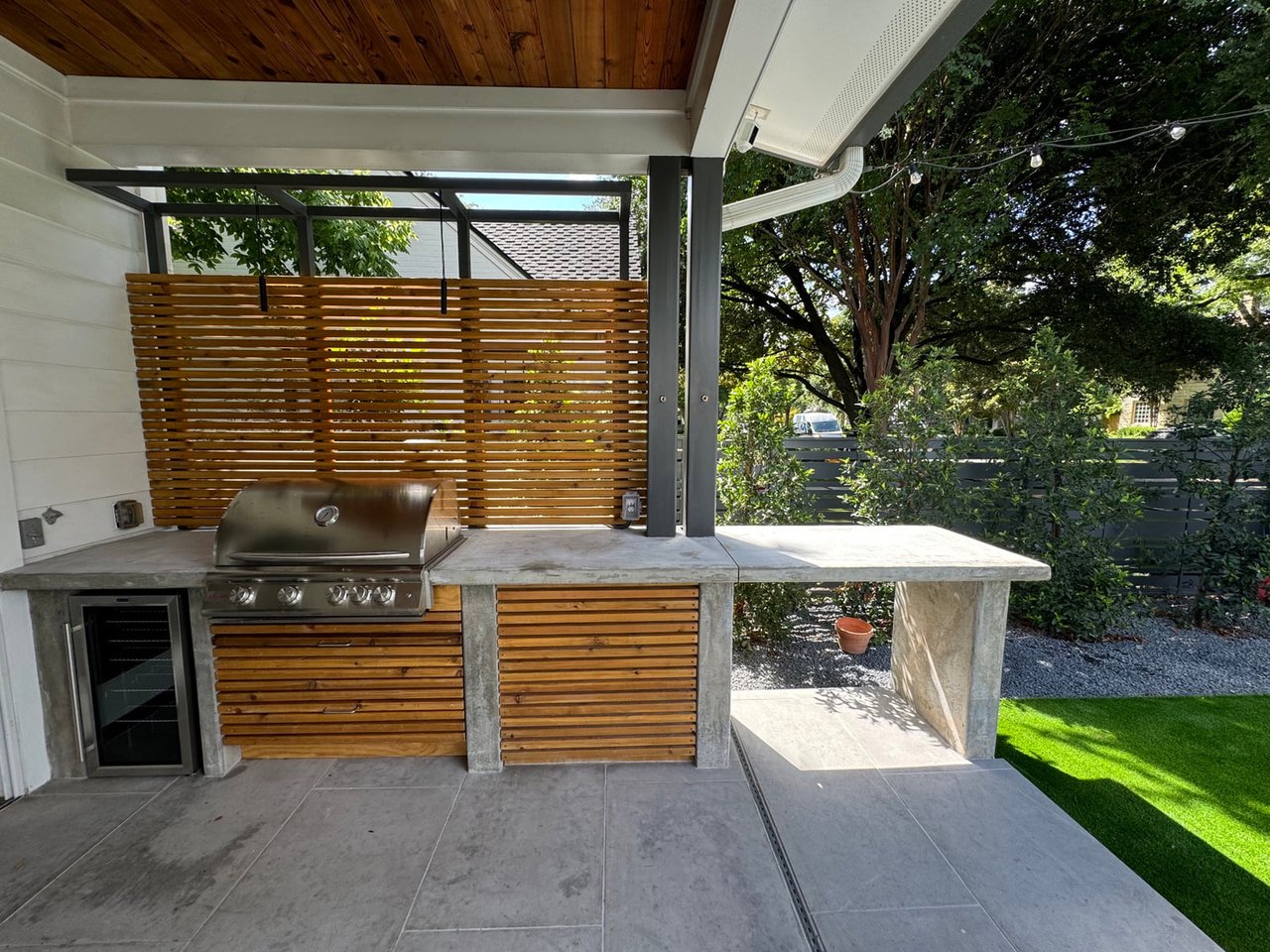
Your custom carpentry and hardscaping investments need protection from wind and water damage. Start by inspecting pergolas, gazebos, and shade structures for loose connections or damaged hardware.
Check all bolts, screws, and metal connectors for rust or looseness. Texas humidity accelerates metal corrosion, especially on outdoor structures exposed to weather year-round. Tighten loose connections now rather than risk structural failure during high winds.
Secure or store outdoor furniture, grills, and decorative items. Wind speeds during thunderstorms can turn lightweight items into projectiles that damage windows, siding, or neighboring properties. Even heavy items like fire pits can shift during severe weather if not properly anchored.
Examine retaining walls and terraced areas for signs of erosion or settling. The expansive clay soils common in eastern Travis County can shift during heavy rain cycles, putting stress on hardscape structures. Look for cracks, leaning walls, or areas where soil has washed away from wall bases.
Key Takeaway: Preventive inspection and securing of outdoor structures costs far less than post-storm repairs. Check connections, clear drainage, and secure loose items before Sunday's weather arrives.
Irrigation System Storm Protocol
Turn off your automatic irrigation system immediately. Running sprinklers during storms wastes water and can overwhelm already saturated soil. Austin Water's conservation guidelines recommend suspending irrigation when significant rainfall is forecast.
Smart irrigation controllers with weather sensors automatically skip watering cycles during rain events. If you don't have weather-based controls, manual shutoff prevents water waste and potential system damage. Waterlogged soil creates anaerobic conditions that harm plant roots and encourage fungal diseases.
Inspect sprinkler heads for proper alignment and debris blockage. Storm winds can shift heads out of position, and accumulated debris can block spray patterns. Clean heads now ensure efficient operation when you resume irrigation after the storm system passes.
Check controller wiring and connections for damage or corrosion. Moisture infiltration into control boxes can cause expensive electrical damage during storms. Ensure all connections are tight and control boxes seal properly against water intrusion.
According to EPA WaterSense guidelines, smart irrigation controllers provide 30-50% water reduction compared to timer-based systems. This technology proves especially valuable during Central Texas storm seasons when rainfall can be unpredictable and intense.
Erosion Prevention for Hill Country Properties
Steiner Ranch's hilly terrain makes erosion control critical during heavy rain events. The limestone bedrock doesn't absorb water quickly, creating surface runoff that can carve new channels through your landscape.
Identify existing erosion areas where previous storms have carved small channels or washed away soil. These spots will worsen during this week's storms without intervention. Temporary erosion barriers like sandbags or erosion matting can prevent damage until permanent solutions are installed.
Check retaining walls and terraced areas for proper drainage behind the structure. Without adequate drainage, water pressure builds up behind walls and can cause catastrophic failure. Weep holes should be clear and functioning to relieve hydrostatic pressure.
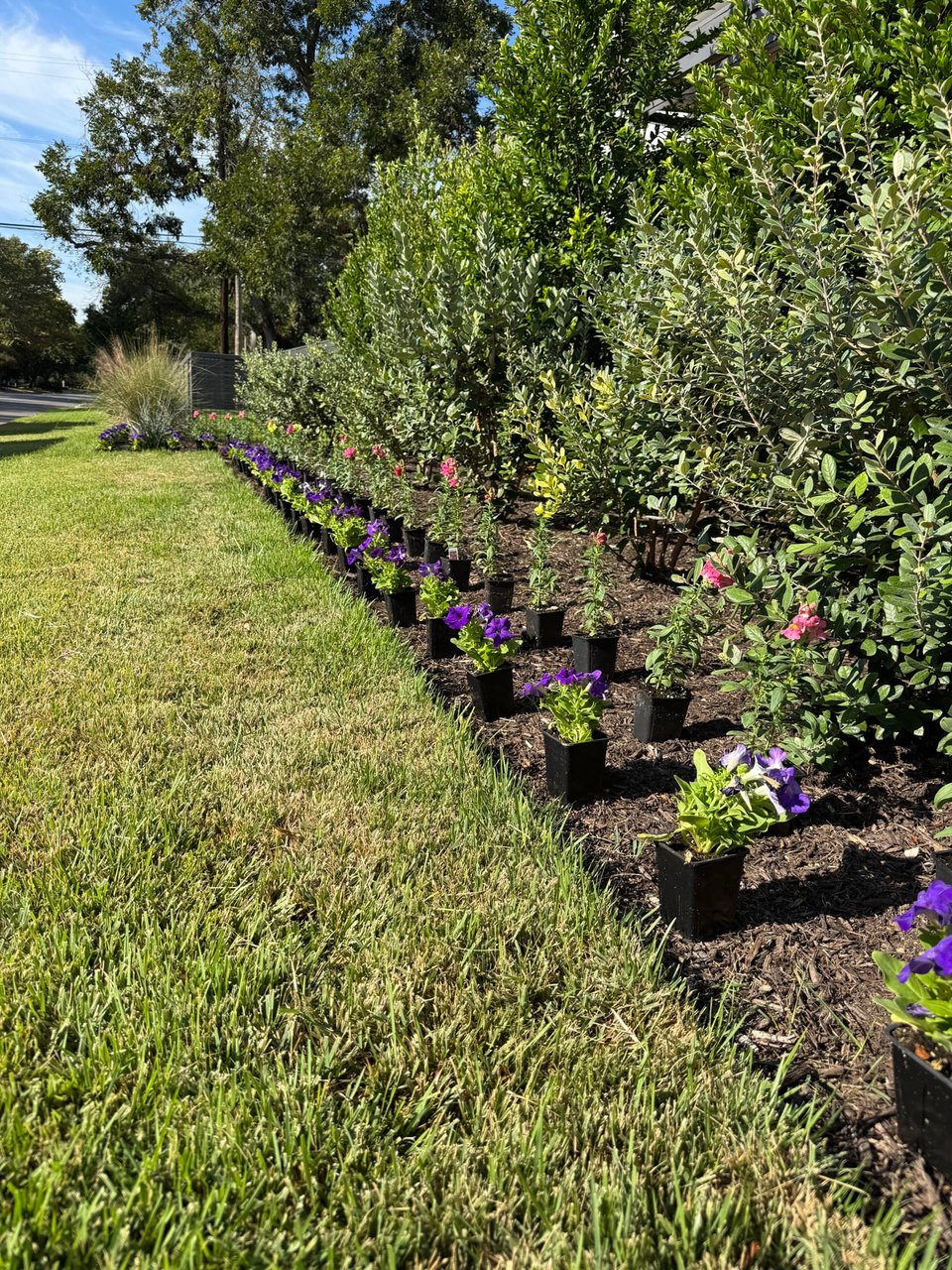
Native Texas plants provide excellent erosion control once established, but new plantings need protection during severe weather. Mexican feathergrass and Lindheimer muhly have extensive root systems that hold soil effectively, but young plants may need temporary protection from washout.
The Texas A&M AgriLife Extension recommends maintaining 3-4 inches of mulch around plantings for erosion control. This depth provides adequate protection without creating moisture retention problems that encourage crown rot in native species.
Key Takeaway: Hill Country erosion happens quickly during severe storms. Identify vulnerable areas now and install temporary protection to prevent expensive landscape damage.
Emergency Drainage Solutions
If you discover drainage problems during your pre-storm inspection, some temporary solutions can prevent major damage until professional repairs are possible. Understanding these emergency measures helps protect your property investment.
Create temporary water diversion using sandbags or plastic sheeting to redirect flow away from vulnerable areas. Position these barriers to guide water toward existing drainage systems or safe discharge areas like established swales or storm drains.
Clear any obvious blockages from drainage channels, culverts, or storm drains on your property. Even partial blockages can cause water to back up and find new flow paths during heavy rain events. Always prioritize safety – don't enter flooded areas or work near electrical equipment.
If you have a sump pump system, test operation before the storms arrive. Backup power sources become critical if electrical service is interrupted during severe weather. Battery backup systems or portable generators ensure continued drainage protection.
For properties with persistent drainage issues, professional installation of French drains or dry wells provides long-term solutions. These systems handle the rapid runoff common in Hill Country developments like Steiner Ranch.
Professional Storm Preparation Services
Some storm preparation tasks require professional expertise and equipment. Outdoor Renovations' property management services include emergency storm preparation for Central Texas properties.
Professional drainage cleaning removes deep blockages that homeowners can't reach safely. High-pressure water jetting clears French drains, storm drains, and underground piping systems that backup during heavy rain events. This service typically costs $200-400 but prevents thousands in water damage.
Structural inspections identify potential failure points in retaining walls, pergolas, and outdoor kitchens before storms stress these systems. Licensed contractors can spot connection problems, foundation issues, or structural weaknesses that homeowners often miss.
Emergency erosion control installation provides immediate protection for vulnerable slopes and drainage channels. Professional crews can install erosion barriers, temporary drainage, and soil stabilization measures quickly when severe weather threatens.
Kyle Stoutenger's 16+ years of personal industry experience working across Austin Metro & Central Texas has shown him that "Emergency storm prep costs about 10% of what post-storm repairs run. Smart homeowners invest in prevention rather than react to damage."
Key Takeaway: Professional storm preparation services cost far less than emergency repairs. Consider expert help for complex drainage issues or structural concerns before severe weather arrives.
Post-Storm Recovery Planning
Even with excellent preparation, severe storms can cause unexpected damage. Planning your post-storm response now saves time and money when cleanup begins. Document your property's current condition with photos before the storms arrive.
Create a priority list for post-storm inspection focusing on safety hazards first. Check for downed power lines, gas leaks, or structural damage before assessing landscape problems. Never touch downed electrical lines or enter flooded areas.
Identify potential drainage improvements for future storm preparation. This week's weather provides an opportunity to observe how water moves across your property and where improvements are needed. Note problem areas for discussion with landscape professionals.
Schedule post-storm professional inspection if you observe new erosion, drainage issues, or structural concerns. Quick response prevents minor problems from becoming major expenses during the next storm cycle.
The National Weather Service provides detailed post-storm safety guidelines and recovery resources. Their recommendations prioritize personal safety over property concerns during the immediate aftermath of severe weather.
Don't wait for problems to develop into emergencies. Outdoor Renovations provides comprehensive storm preparation and recovery services throughout Steiner Ranch and Travis County. Our licensed team understands Hill Country drainage challenges and has the equipment to protect your outdoor investment. Call (512) 743-0570 now to schedule storm preparation services before Sunday's weather arrives.
Serving Steiner Ranch & Central Texas
Landscaping Services Near You
Frequently Asked Questions
How do I protect my irrigation system before severe storms in Steiner Ranch?
Turn off automatic irrigation timers, check sprinkler head alignment, clear debris from drains and gutters, and inspect controller wiring for damage. Water-logged soil doesn't need additional irrigation and can cause root rot in native Texas plants.
What drainage problems are common in Steiner Ranch during heavy rain?
Hill Country slopes cause rapid runoff that overwhelms undersized drainage systems. Common issues include foundation pooling, driveway washouts, and erosion around retaining walls. French drains and proper grading prevent most water damage.
Should I cover outdoor furniture before thunderstorms?
Yes, secure or cover outdoor furniture, grills, and decorative items. Wind speeds during storms can turn loose items into projectiles that damage windows, siding, or neighboring properties. Store lightweight items indoors when possible.
How much rain can cause flooding problems in Steiner Ranch?
Even 2-3 inches of rain in one hour can overwhelm drainage systems on Hill Country slopes. Properties without proper drainage can experience foundation issues, landscape erosion, and basement flooding during moderate storms.
What outdoor structures need storm preparation in Central Texas?
Pergolas, gazebos, outdoor kitchens, and shade structures need inspection for loose connections and wind resistance. Check fence posts, gate latches, and any metal fabrication for rust or loose hardware that storms can worsen.
When should I call a professional for storm damage prevention?
Contact a licensed landscape contractor if you notice drainage issues, erosion problems, or structural concerns with outdoor features. Preventive maintenance costs far less than post-storm repairs and protects your property investment.
Need Landscaping Service in Austin?
Contact Outdoor Renovations today for irrigation drainage services in Austin, TX.