Prepare Your Lakeway Property for Severe Storms This Week

Lakeway homeowners face a challenging week ahead with severe thunderstorms forecast for April 13-19, 2026. The National Weather Service predicts four days of precipitation with heavy rain potential and temperatures ranging from 56°F to 89°F. As your local licensed landscape contractor, Outdoor Renovations has weathered countless Central Texas storms and knows exactly what Hill Country properties need to stay protected.
Immediate Action Summary for Lakeway Homeowners Severe thunderstorms forecast April 13-19 require immediate landscape preparation. Outdoor Renovations recommends checking drainage systems, securing outdoor structures, pruning weak tree branches, and protecting newly planted areas. Heavy rain on limestone caliche soil can cause flash flooding and erosion damage without proper preparation.
Understanding Lakeway's Storm Risk Profile
Lakeway sits in the heart of the Texas Hill Country where steep limestone slopes meet Lake Travis. This geography creates unique challenges during severe weather. The area's shallow soil over limestone bedrock means water doesn't absorb quickly. When heavy rain hits, it runs downhill fast.
Your property likely has elevation changes that affect drainage. Water flows follow the path of least resistance, often concentrating in areas you might not expect. Kyle Stoutenger, Licensed Landscape Contractor and owner of Outdoor Renovations, has observed that Lakeway properties built on slopes face the greatest erosion risk during intense rainfall events.
The limestone caliche soil common in this area becomes nearly impermeable when saturated. This means the first inch of rain might soak in, but subsequent rainfall runs off like it's hitting concrete. That's why proper irrigation and drainage systems aren't just helpful—they're essential for property protection.
Key Takeaway: Lakeway's geology amplifies storm impacts. Properties on slopes need robust drainage solutions, while flat areas require careful grading to prevent pooling.
Critical Drainage System Inspection
Before Wednesday's storms arrive, every Lakeway homeowner should inspect their drainage infrastructure. Start with gutters and downspouts. Remove leaves, branches, and debris that accumulated over winter. A clogged gutter system can dump thousands of gallons directly against your foundation.
Check where your downspouts discharge. Water should flow at least 6 feet away from structures. If you see erosion patterns or standing water near discharge points, you need immediate attention. French drains require special inspection. Look for standing water, unusual plant growth (indicating constant moisture), or musty odors that suggest clogged systems.
Professional contractors know that French drain systems in Central Texas often fail because roots invade the perforated pipes. Native live oak and cedar elm roots are particularly aggressive. If your French drain is more than five years old and shows performance issues, schedule professional cleaning before storm season intensifies.
Surface drainage matters just as much. Walk your property and identify low spots where water collects. These areas need either regrading or installation of catch basins with underground drainage. The Texas A&M AgriLife Extension service recommends maintaining a 2% minimum slope away from structures for effective drainage.
Tree Risk Assessment and Protection
Central Texas trees face unique challenges during severe weather. The shallow soil over limestone bedrock means root systems spread wide rather than deep. This makes trees more susceptible to windthrow during storms.
Inspect your trees for warning signs. Co-dominant trunks (where the tree splits into two main stems at nearly the same height) create weak points. These joints often fail under storm stress. Dead or hanging branches need immediate removal—don't wait for wind to decide where they'll fall.
Bradford pear trees are particularly vulnerable. These ornamental trees have weak wood and poor branch structure. If you have Bradford pears near structures or power lines, consider professional removal and replacement with native species like Texas red oak or live oak.
Kyle Stoutenger recommends the "lean test" for storm preparation. Stand back and observe if any trees lean significantly. Recent construction, irrigation changes, or root damage can destabilize trees. A tree that survived previous storms might not survive the next one if its root system has been compromised.
Key Takeaway: Tree failure causes most storm-related property damage in Lakeway. Professional assessment of high-risk trees before severe weather protects both property and people.
Protecting Outdoor Structures and Features
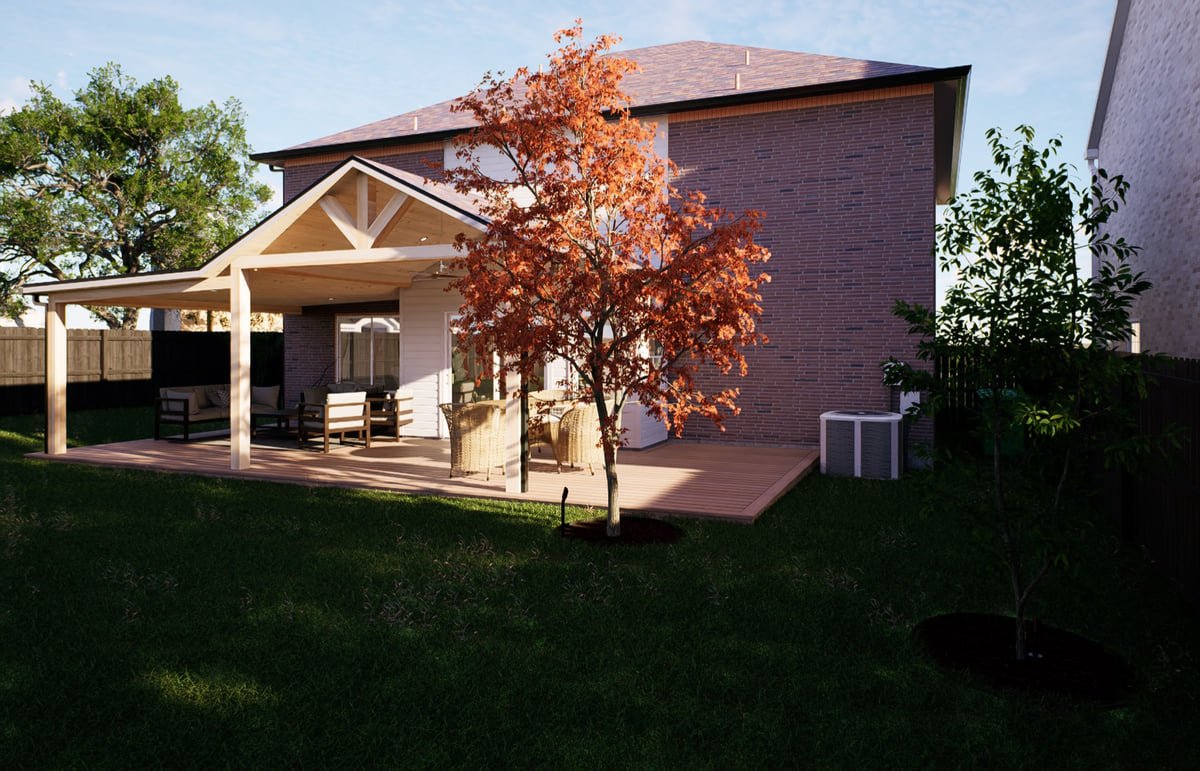
Custom carpentry installations like pergolas, gazebos, and outdoor kitchens need storm preparation. Check all connections and fasteners. Wood structures expand and contract with temperature and humidity changes, which can loosen hardware over time.
Pergolas and arbors should have secure footings that extend below the frost line (about 18 inches in Central Texas). If your structure moves when you push against it, the foundation needs attention. Metal fasteners should show no signs of rust or corrosion, especially at connection points.
Outdoor kitchen covers and built-in grills need special attention. Check that covers are properly secured and won't become projectiles. Gas connections should be inspected for leaks, and electrical connections must be weatherproof. Any outdoor electrical work requires professional assessment—water and electricity don't mix.
Retaining walls face significant pressure during heavy rain. Water builds up behind walls, creating hydrostatic pressure that can cause failure. Proper retaining walls include drainage systems behind them. Weep holes should be clear and functional. If you see signs of wall movement, bulging, or cracking, call for immediate professional evaluation.
Landscape Bed and Planting Protection
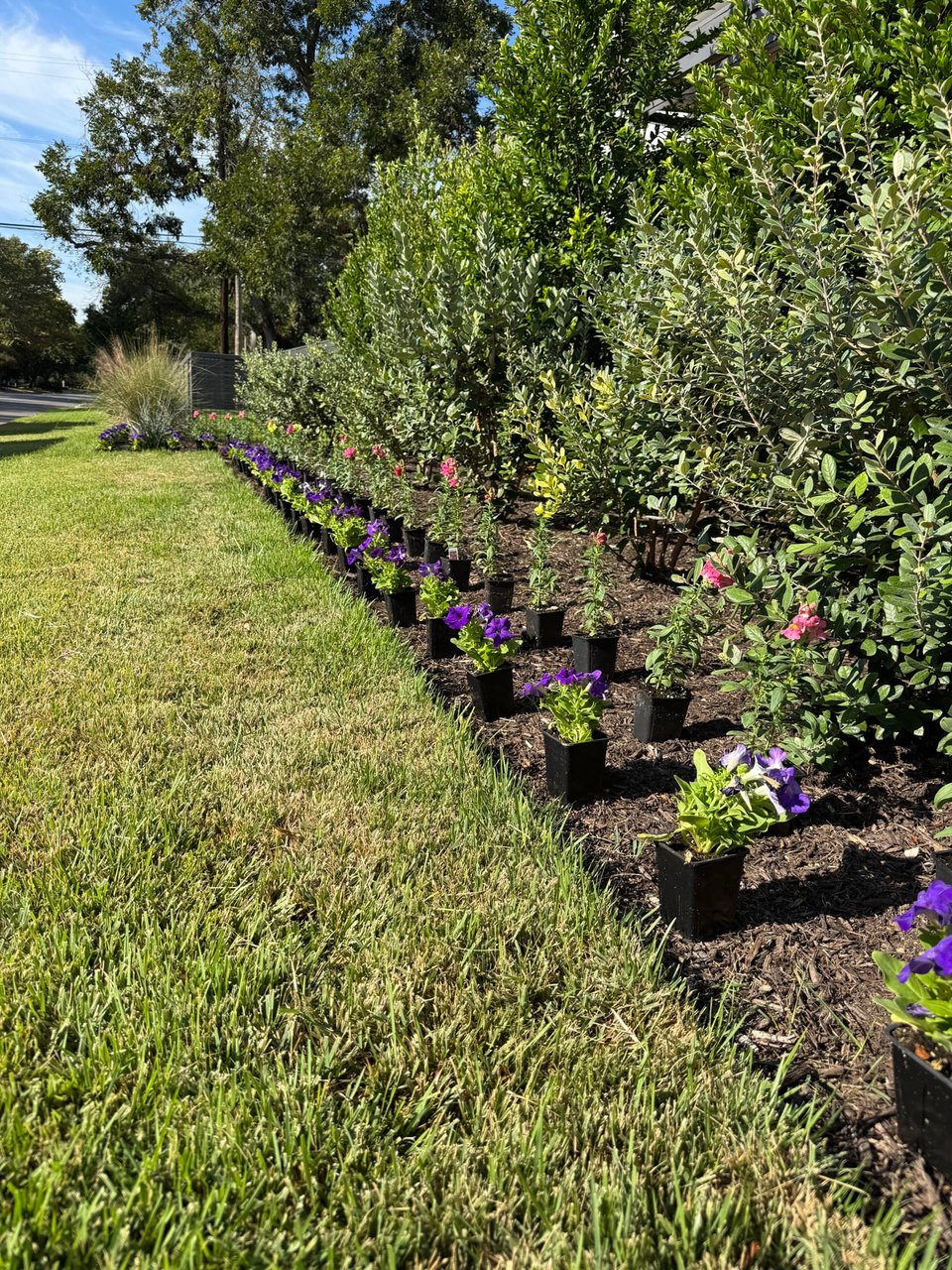
Spring plantings are particularly vulnerable to storm damage. Young trees and shrubs haven't established root systems strong enough to anchor them against wind and saturated soil conditions.
Recently installed plants need temporary staking or protection. Use soft ties that won't cut into bark, and remove stakes as soon as plants establish (usually within one growing season). Mulch helps but can become a problem if applied too thickly. The EPA WaterSense program recommends 2-3 inches of mulch around plants, never touching tree trunks directly.
Native plants generally handle storms better than non-natives. Texas sage, flame acanthus, and Mexican feathergrass have evolved with Central Texas weather patterns. If you're planning replacements after storm damage, consider native species that provide better long-term resilience.
Irrigation systems need pre-storm attention. Turn off automatic systems before heavy rain arrives. Saturated soil combined with continued irrigation can kill plants through root rot and increases the risk of tree failure. Most irrigation controllers have a rain delay function—use it.
Key Takeaway: Young plants need extra protection during severe weather. Native species offer better storm resistance and faster recovery than non-native alternatives.
Immediate Pre-Storm Action Checklist
With storms forecast for Wednesday, April 16th, and Saturday, April 19th, time is running short for preparation. Focus on high-impact actions that protect life and property.
Start with safety priorities. Remove or secure any loose objects that could become projectiles. Patio furniture, planters, and decorative items should go into storage or be tied down securely. Garden tools left outside become dangerous during high winds.
Test your sump pump if you have one installed. Pour water into the sump pit to verify the pump activates and discharges properly. Check that the discharge line hasn't become disconnected or clogged. Battery backup systems should be tested and backup batteries confirmed fresh.
Clear storm drains and culverts on your property. Even if these aren't technically your responsibility, clogged drains can cause flooding that damages your landscape. Remove leaves, trash, and debris that might block water flow.
Document your landscape's current condition with photos. Insurance claims go smoother when you have before and after documentation. Focus on areas near structures, valuable plants, and existing drainage infrastructure.
Professional Storm Damage Recovery
After severe weather passes, resist the urge to immediately clean up everything yourself. Some damage requires professional assessment, especially electrical issues with landscape lighting or irrigation systems.
Tree damage near power lines or structures needs professional attention. Never attempt to remove large branches or fallen trees yourself. The risk of additional property damage or injury isn't worth the savings. Professional arborists have equipment and training to safely handle storm-damaged trees.
Drainage system damage often isn't immediately obvious. What looks like a minor washout might indicate serious underground pipe damage. Professional evaluation can identify problems before they cause expensive foundation issues.
Soil erosion requires more than just replacing lost dirt. Proper erosion repair includes addressing the underlying drainage issues that caused the problem. Simply adding soil without fixing drainage guarantees the same erosion will happen again.
Kyle Stoutenger has seen many homeowners make expensive mistakes by rushing storm cleanup. Take time to assess damage properly. Document everything before making repairs. Some damage that looks catastrophic can be repaired, while seemingly minor issues might require complete system replacement.
Key Takeaway: Professional assessment after storm damage prevents costly mistakes and ensures repairs address root causes, not just symptoms.
Long-Term Storm Resilience Planning
This week's storms offer lessons for improving your property's long-term weather resilience. Pay attention to where problems occur and what systems fail. This information guides future improvements that reduce storm vulnerability.
Consider upgrading to smart irrigation controllers that automatically adjust for weather conditions. The EPA's WaterSense program shows that smart controllers reduce water use by 30-50% while improving plant health. These systems automatically shut off before storms and resume appropriate watering schedules afterward.
Drainage improvements often require professional design, especially on sloped Lakeway properties. Proper solutions might include French drains, retaining walls with integrated drainage, or regrading to improve surface flow patterns. The National Weather Service data shows Central Texas storms are becoming more intense, making robust drainage systems increasingly important.
Native landscaping reduces storm vulnerability while providing other benefits. Native plants require less water, resist local pests better, and recover faster from storm damage. The Lady Bird Johnson Wildflower Center provides extensive resources for selecting plants adapted to Central Texas conditions.
Ready to protect your Lakeway property from this week's severe weather? Don't wait until the storms arrive—preparation today prevents expensive repairs tomorrow. Outdoor Renovations has the experience and local knowledge to help your landscape weather any storm. Call us at (512) 743-0570 for immediate storm preparation assistance or long-term resilience planning. As a fully licensed, bonded, and insured contractor with over 200 completed projects and a 5-star rating, we're your trusted partner in renovating outdoor dreams to reality—even when Mother Nature has other plans.
Serving Lakeway & Central Texas
Landscaping Services Near You
Frequently Asked Questions
How can I prepare my drainage system for heavy rain in Lakeway?
Clean gutters and downspouts, check French drains for clogs, ensure grading directs water away from foundations, and test sump pumps if installed. Professional drainage inspection is recommended before storm season.
What trees are most at risk during severe thunderstorms in Central Texas?
Bradford pears, Arizona ash, and any trees with co-dominant trunks or visible decay. Live oaks and cedar elms are generally more storm-resistant when properly maintained with regular pruning.
Should I water my landscape before a storm arrives?
No, avoid watering 24-48 hours before heavy rain. Saturated soil combined with storm water increases tree fall risk and can overwhelm drainage systems.
How do I protect outdoor furniture and structures from severe weather?
Secure or store loose items, check pergola and gazebo anchoring, inspect outdoor kitchen covers, and ensure patio umbrellas are properly closed or removed.
What landscape damage should I expect from severe thunderstorms?
Potential issues include erosion on slopes, clogged drainage systems, fallen branches, damaged irrigation lines, and flooding in low-lying areas. Professional assessment after storms is recommended.
When should I call a professional after storm damage?
Immediately for any electrical damage to landscape lighting or irrigation, tree damage near structures, major erosion, or drainage system failures. Safety issues require professional attention.
Need Landscaping Service in Austin?
Contact Outdoor Renovations today for irrigation drainage services in Austin, TX.