Prepare Your Bee Cave Landscape for Heavy Rain and Storm Season

Heavy storms are heading to Bee Cave and the Hill Country this week, with five days of rain forecast between April 16-22, 2026. As temperatures swing from a warm 90°F on Friday to a cool 66°F on Monday, severe thunderstorms threaten to dump significant rainfall across Travis County. Smart homeowners know that the time to protect your landscape investment is before the first drop falls. That's where Outdoor Renovations comes in – we've been helping Austin Metro and Central Texas property owners weather-proof their outdoor spaces since 2022.
Immediate Action Summary for Bee Cave Homeowners Severe thunderstorms with heavy rain are forecast for April 16-22, 2026 in Bee Cave, TX. Outdoor Renovations recommends immediate inspection of drainage systems, securing outdoor structures, and checking irrigation shut-offs before storms arrive. Five consecutive days of precipitation can overwhelm inadequate drainage and cause costly erosion damage to Hill Country properties.
Understanding Bee Cave's Storm Drainage Challenges
The rolling terrain of Bee Cave creates unique drainage challenges that many homeowners don't fully grasp until water damage occurs. Unlike the flat eastern areas of Austin with Houston Black clay, Bee Cave sits on limestone bedrock with thin topsoil layers. When heavy rain hits, water can't penetrate the hard caliche layer beneath your landscape, creating surface runoff that flows downhill fast.
This week's forecast shows a perfect storm scenario. Friday's 90°F temperatures will bake the ground dry, making soil even less absorbent. Then Saturday's temperature drop to 77°F brings the first wave of storms, followed by four more days of intermittent heavy rain through Wednesday.
Kyle Stoutenger, Licensed Landscape Contractor and owner of Outdoor Renovations, has seen this pattern damage countless properties across the Hill Country. "The worst erosion happens when dry, compacted soil meets heavy rainfall on slopes," Kyle explains. "Bee Cave's elevation changes can turn a gentle rain into a destructive torrent without proper drainage infrastructure."
The Science Behind Hill Country Runoff
Central Texas limestone terrain creates specific water management challenges. The typical Bee Cave property sits on Austin chalk formation with 6-12 inches of topsoil over solid limestone. This geological makeup means water absorption rates are extremely low – often just 0.1 to 0.3 inches per hour.
When storm systems deliver rainfall at rates exceeding 1 inch per hour (which is common in severe thunderstorms), the excess becomes surface runoff. On slopes greater than 10%, this runoff accelerates rapidly, carrying topsoil, mulch, and even hardscape materials downhill.
Key Takeaway: Bee Cave's limestone bedrock and sloped terrain make proper drainage systems essential, not optional. Properties without adequate drainage infrastructure face inevitable erosion and water damage during heavy rain events.
Pre-Storm Inspection Checklist for Your Landscape
Before Saturday's storms arrive, walk your property with a critical eye. Start with your irrigation & drainage systems – these are your first line of defense against water damage.
Check all sprinkler heads for damage or misalignment. A broken sprinkler head shooting water sideways can create erosion channels that heavy rain will expand into major problems. Look for signs of leaks in irrigation lines, especially around valve boxes and connection points.
Inspect your landscape grading carefully. Water should always flow away from your home's foundation and toward designated drainage areas. If you see standing water after normal irrigation, you'll definitely have problems during heavy rain.
Critical Drainage Points to Examine
Walk the perimeter of your home looking for low spots where water collects. These areas need immediate attention before storms arrive. Check that gutters and downspouts direct water at least 6 feet away from your foundation – preferably toward planted areas that can absorb runoff.
Examine retaining walls for stability and proper drainage. Retaining walls without adequate drainage (weep holes or French drains behind them) can fail catastrophically during heavy rain as water pressure builds up. Look for cracks, bulging, or signs of movement.
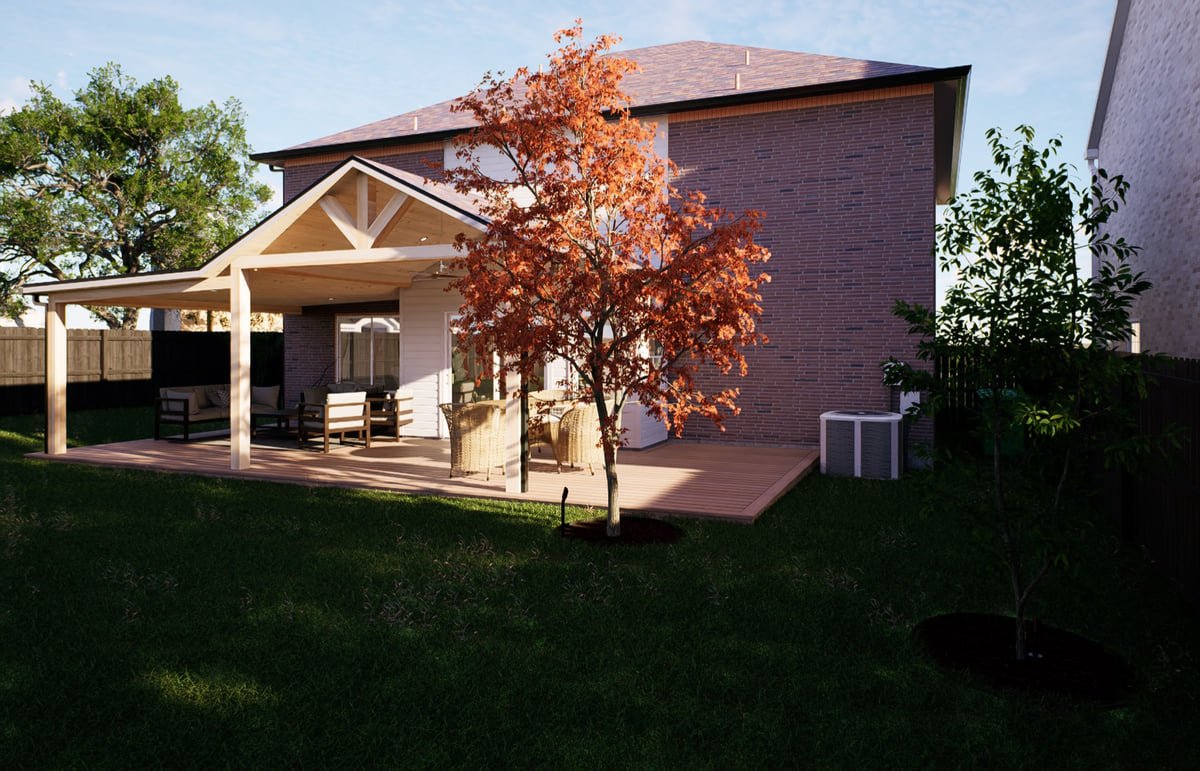
For properties with custom carpentry features like pergolas, gazebos, or outdoor kitchens, check all anchor points and structural connections. High winds often accompany severe thunderstorms, and inadequately secured structures become projectiles.
Key Takeaway: A 30-minute pre-storm inspection can identify drainage problems and structural vulnerabilities before they become expensive disasters. Focus on water flow patterns, irrigation system integrity, and outdoor structure security.
Emergency Drainage Solutions You Can Implement Now
If your inspection reveals drainage problems, don't panic. Several emergency measures can provide immediate protection while you plan permanent solutions with professional help.
Create temporary drainage channels using landscape edging or sandbags to direct water flow. These aren't permanent fixes, but they can prevent major erosion during this week's storms. Focus on protecting high-value areas like planted beds, walkways, and foundation zones.
For areas where water ponds, consider temporary French drain solutions. Dig a shallow trench (12-18 inches deep) from the problem area toward a safe discharge point. Fill with coarse gravel or drainage rock. This emergency measure can handle moderate rainfall until professional drainage solutions are installed.
Smart Controller Programming for Storm Season
If you have a smart irrigation controller, now's the time to verify its weather sensor functionality. Quality smart controllers with soil moisture sensors and weather station connectivity can reduce water usage by 30-50% during rainy periods by automatically adjusting schedules.
For properties without smart controllers, manually shut off irrigation systems when heavy rain is forecast. Overwatering during storm periods not only wastes money but can contribute to soil saturation problems that worsen drainage issues.
According to EPA WaterSense guidelines, properly calibrated smart irrigation systems should automatically suspend watering when rainfall exceeds 0.25 inches in a 24-hour period.
Protecting Your Landscape Investment During Storms
Your landscape represents a significant financial investment – quality landscaping typically delivers 100-200% return on investment when done properly. Protecting this investment during severe weather requires both immediate actions and long-term planning.
Secure all loose items in your outdoor living spaces. Patio furniture, decorative objects, and lightweight planters can become projectiles in high winds. Store or anchor everything that could blow around.
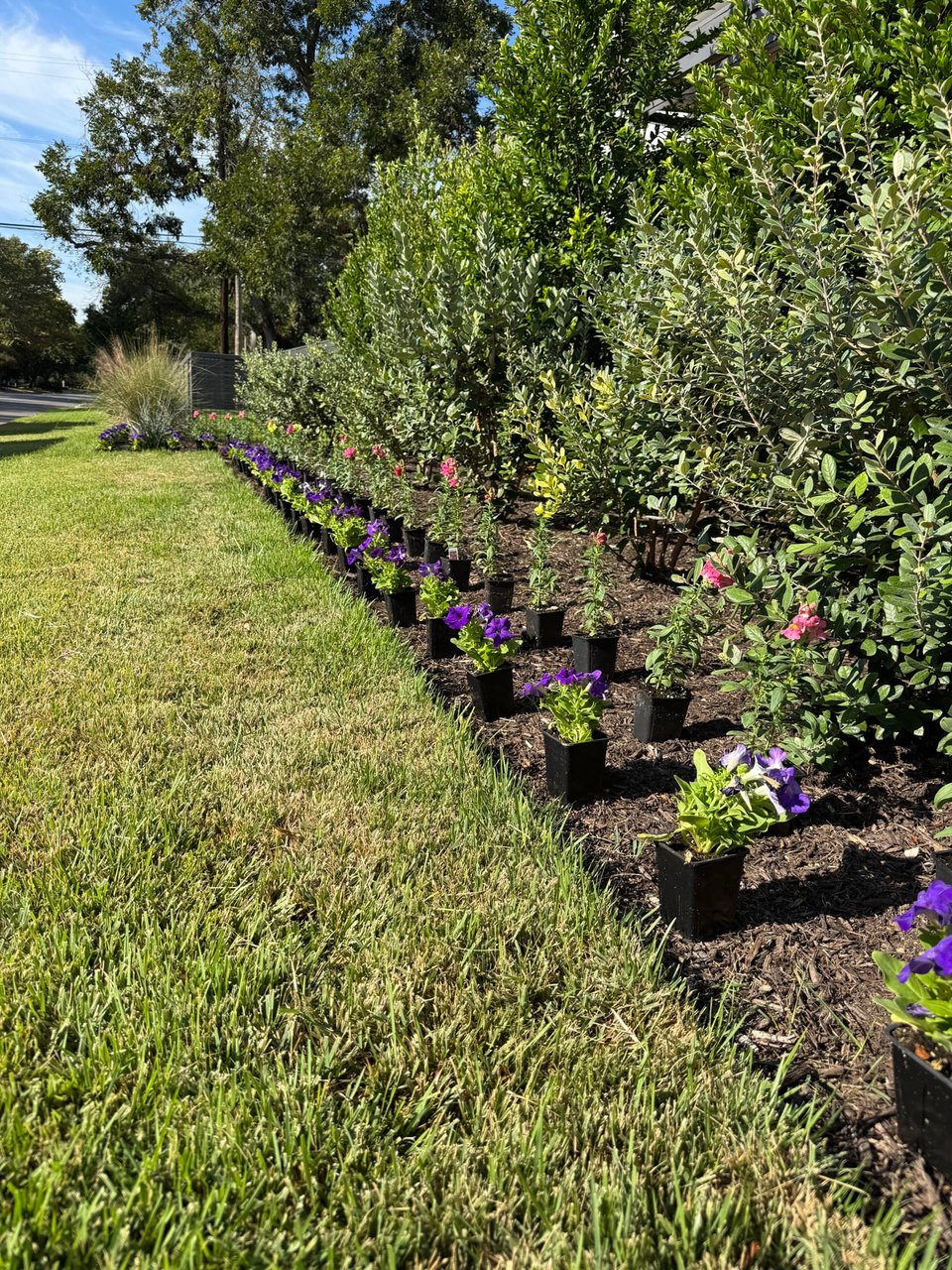
For newly planted areas, consider temporary mulch barriers or erosion cloth to prevent soil washout. New plantings are particularly vulnerable because their root systems haven't yet stabilized the soil.
Tree and Large Plant Protection
Mature trees generally weather storms well, but newly planted trees or those with structural issues need attention. Check tree stakes and guy wires – they should be snug but not cutting into bark. Remove any stakes that are no longer needed, as they can create weak points during high winds.
For large shrubs and perennials, consider temporary support if branches are laden with new growth. Spring's rapid growth can make plants top-heavy and vulnerable to wind damage.
Kyle Stoutenger notes from his 16+ years of experience: "The plants that suffer most in storms aren't necessarily the biggest ones – it's often the middle-sized specimens that are large enough to catch wind but don't have the root mass to anchor themselves properly."
Key Takeaway: Immediate protection measures like securing loose items, supporting vulnerable plants, and creating temporary drainage can prevent thousands of dollars in storm damage to your landscape investment.
Long-Term Drainage Solutions for Hill Country Properties
While emergency measures help with immediate storm threats, Bee Cave properties need permanent drainage infrastructure designed for Central Texas conditions. The Texas A&M AgriLife Extension recommends specific drainage strategies for limestone terrain and clay soil conditions.
French drain systems are the gold standard for hillside properties. These subsurface drainage systems collect groundwater and direct it to safe discharge points. Proper French drain installation requires precise grading (minimum 1% slope), appropriate sizing (4-6 inch diameter pipe for residential applications), and quality materials that won't clog over time.
Surface drainage solutions like channel drains, area drains, and bioswales handle the runoff that French drains can't capture. The key is creating integrated systems where surface and subsurface drainage work together.
Soil Amendment for Better Water Management
Central Texas clay soil can be improved through strategic amendment, but it requires understanding soil science. Standard "add sand" advice is actually harmful – sand mixed with clay creates concrete-like conditions.
Proper clay soil amendment involves adding organic matter (compost at 25-30% by volume) and coarse aggregates like expanded shale. This creates soil structure that improves both drainage and water retention – crucial for surviving both floods and droughts.
For Bee Cave properties, soil pH typically ranges from 7.8 to 8.2 due to limestone bedrock. This alkaline condition affects plant selection and may require sulfur amendments for acid-loving plants.
Professional Storm Damage Assessment and Repair
After severe weather passes, professional assessment becomes crucial for identifying hidden damage that could worsen over time. What looks like minor erosion might indicate serious drainage system failure. Small cracks in retaining walls can signal structural problems requiring immediate attention.
Outdoor Renovations provides comprehensive post-storm assessment services throughout Bee Cave and the Hill Country. Our team understands how Central Texas weather patterns affect different landscape elements and can prioritize repairs for maximum protection.
Insurance documentation is critical after storm damage. Professional assessment provides detailed documentation of damage causes and recommended repairs – essential for successful insurance claims. We work directly with insurance adjusters and understand their requirements.
Integrating Storm Protection Into Landscape Design
The best storm protection comes from landscapes designed with Central Texas weather patterns in mind. This means selecting appropriate plant materials, designing proper drainage infrastructure, and building structures that can withstand regional climate extremes.
Native plant selection provides natural storm resilience. Plants like Texas sage, flame acanthus, and Mexican feathergrass have deep root systems that stabilize soil and flexible stems that bend rather than break in high winds. The Lady Bird Johnson Wildflower Center provides excellent guidance on native plant selection for specific soil and drainage conditions.
Hardscaping elements should be designed with drainage integration from the beginning. Permeable pavers, properly graded patios, and strategic placement of hardscape features can actually improve drainage rather than creating runoff problems.
Key Takeaway: The most effective storm protection comes from integrated landscape design that works with Central Texas climate patterns rather than fighting them. Professional design and installation provide long-term resilience and protection.
Maintaining Your Storm-Ready Landscape
Storm preparation isn't a once-and-done task – it requires ongoing maintenance and seasonal adjustments. Regular property management includes drainage system cleaning, plant health monitoring, and structural inspection.
Clean debris from drainage systems monthly, especially during fall leaf drop and after storms. Clogged drains quickly become useless drains. Check French drain outlets for proper flow and clear any obstructions.
Irrigation system maintenance becomes more critical as equipment ages. Components that work fine in normal conditions may fail under storm stress. Annual professional inspection identifies potential failure points before they cause problems.
Seasonal Adjustments for Maximum Protection
Spring storms like this week's system require different preparation than summer heat or winter freezes. Heavy spring rains combined with rapid plant growth create unique challenges. Fast-growing vegetation can quickly overwhelm drainage systems designed for dormant season conditions.
Monitor mulch depth and distribution. Storm runoff can wash mulch away from where it's needed and pile it up where it blocks drainage. Properly installed mulch should be 3-4 inches deep – less allows weed growth and soil temperature extremes, while more can create moisture problems and pest habitat.
The upcoming storm system perfectly illustrates why proactive landscape management matters. Five days of intermittent heavy rain will test every aspect of your property's water management systems. Properties with professional drainage design and regular maintenance will handle the challenge. Those without may face costly damage and safety hazards.
Don't wait for the next storm system to test your landscape's resilience. Contact Outdoor Renovations at (512) 743-0570 to schedule a comprehensive drainage assessment and storm preparation consultation. Our experienced team serves Bee Cave, Westlake Hills, Lakeway, and throughout Central Texas with proven solutions designed for Hill Country conditions.
Serving Bee Cave & Central Texas
Landscaping Services Near You
Frequently Asked Questions
How can I protect my Bee Cave landscape from heavy rain damage?
Install proper drainage systems like French drains, grade slopes away from structures, secure outdoor furniture, and ensure gutters direct water away from foundation areas. Professional drainage assessment is recommended for Hill Country properties.
What should I inspect before severe storms hit Bee Cave?
Check irrigation systems for leaks, inspect retaining walls for stability, secure loose outdoor structures, clean gutters and downspouts, and ensure proper soil grading around your home's foundation.
Do I need professional drainage solutions for my Bee Cave property?
Properties with slopes over 10%, clay soil, or previous flooding issues should have professional drainage assessment. French drains, surface drains, and proper grading prevent costly water damage.
How much rain can overwhelm typical landscape drainage?
Austin's clay soil absorbs only 0.1-0.3 inches per hour. Rainfall exceeding 1 inch per hour can cause surface runoff and erosion without proper drainage systems in place.
Should I turn off my irrigation system during heavy rain periods?
Yes, turn off irrigation systems when heavy rain is forecast. Smart controllers with weather sensors automatically adjust, preventing overwatering and reducing water bills during rainy periods.
What outdoor structures need storm protection in Bee Cave?
Secure pergolas, gazebos, outdoor kitchens, and shade structures. Check anchoring systems, remove loose items, and inspect custom carpentry for wind resistance before storms arrive.
Need Landscaping Service in Austin?
Contact Outdoor Renovations today for irrigation drainage services in Austin, TX.