Custom Carpentry in Westlake Hills, TX | Outdoor Renovations
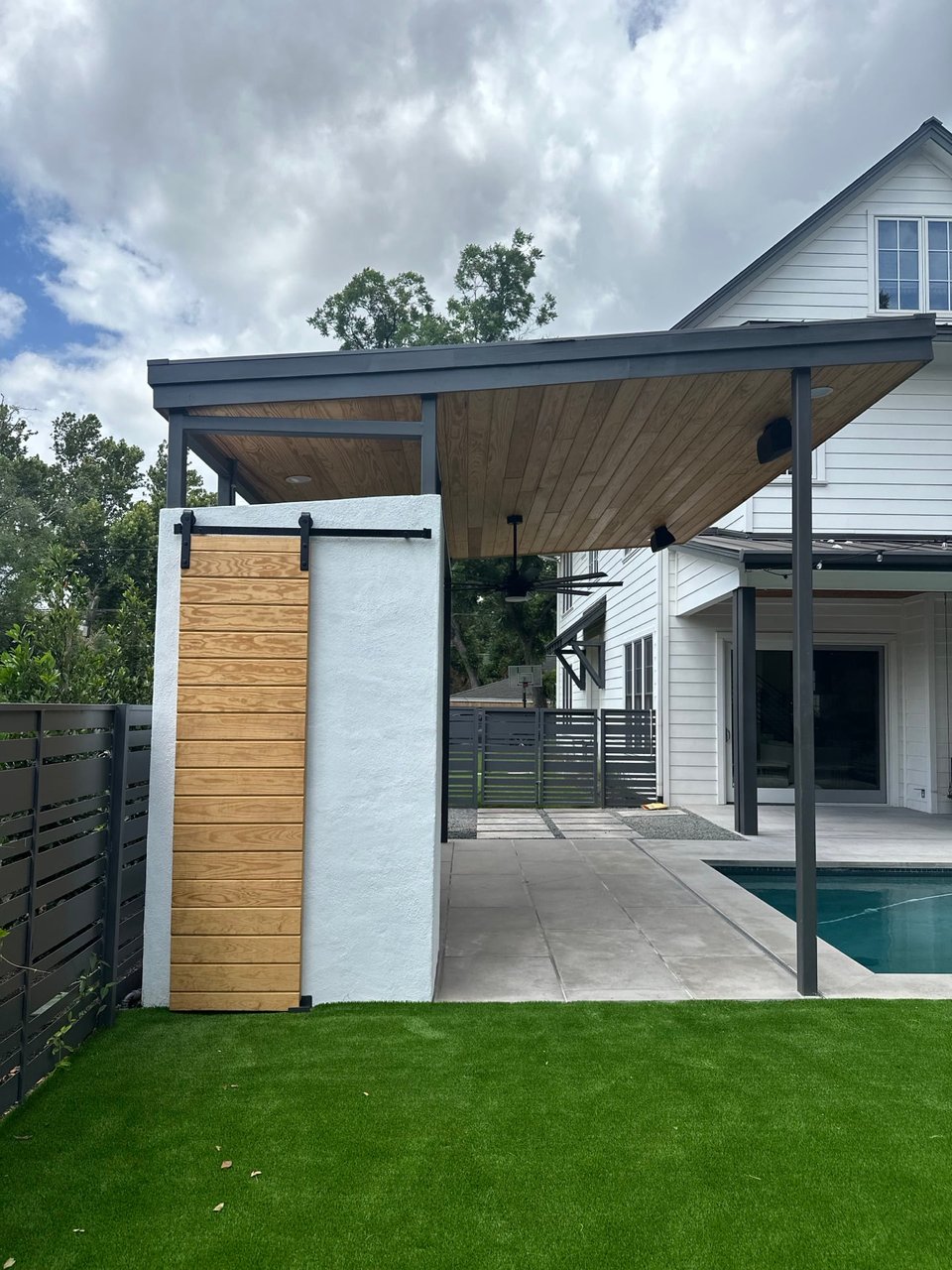
Spring storms are hitting Westlake Hills hard this week, and if you're planning custom carpentry projects, now's the perfect time to think about structures that can handle Central Texas weather. Outdoor Renovations has been building pergolas, casitas, decks, and custom fences across Austin Metro since 2022, and we know what it takes to create outdoor structures that stand up to everything from flash floods to 105°F summer heat.
Custom Carpentry Guide for Westlake Hills Homeowners Custom outdoor carpentry includes pergolas, casitas, decks, fences, gates, and privacy screens built to handle Central Texas weather extremes. Spring is ideal for planning projects before summer heat, but severe storms require careful timing. Professional installation ensures structural integrity, code compliance, and longevity in challenging Hill Country conditions with limestone substrata and mature tree canopies.
Why Spring is Prime Time for Custom Carpentry Planning
Spring weather in Westlake Hills gives us the perfect window for outdoor carpentry projects. Temperatures ranging from 51°F to 91°F mean comfortable working conditions before the brutal summer heat sets in. But this week's severe thunderstorms highlight why you need structures built right the first time.
The limestone substrata in Westlake Hills creates unique challenges. We can't just dig holes and hope for the best. Post anchoring requires specific techniques to penetrate the caliche layer and create solid foundations. Kyle Stoutenger, who has 16+ years of experience in Central Texas construction, has learned that standard 24-inch post depths won't cut it here. We go 36 inches minimum and use concrete collars that lock into the limestone.
Flash flooding is another spring concern in Hill Country properties. Proper drainage around deck footings and pergola posts prevents water pooling that leads to rot and foundation shifting. We grade away from structures and integrate our carpentry work with your overall landscape design to manage storm water flow.
Pergolas That Handle Texas Weather Extremes
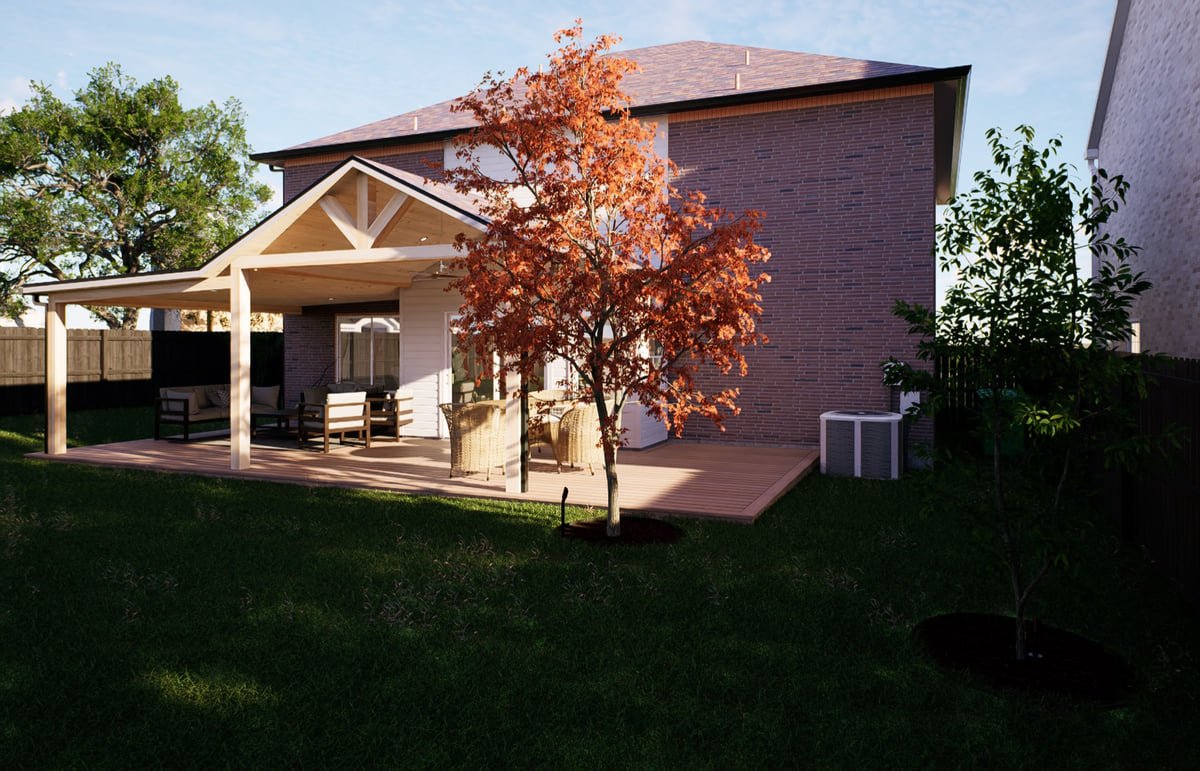
Pergolas are our most requested custom carpentry service, and for good reason. They provide shade during scorching summers while adding architectural interest to outdoor spaces. But building pergolas in Central Texas requires understanding thermal expansion, wind loads, and moisture management.
We use mortise and tenon joinery reinforced with galvanized carriage bolts for the main framework. This traditional technique creates joints that actually get stronger over time as the wood settles. Cheap pergolas use basic butt joints with deck screws that fail when the wood expands and contracts through our extreme temperature swings.
Cedar is the gold standard for pergola construction here. Eastern red cedar contains natural oils that repel insects and resist rot. It weathers to a beautiful silver-gray that fits perfectly with Hill Country aesthetics. We avoid pressure-treated pine for pergolas because the chemical treatment can cause uneven weathering and the wood lacks cedar's natural durability.
Key Takeaway: Proper pergola construction requires mortise and tenon joinery, cedar lumber, and posts anchored 36+ inches deep in Travis County's limestone substrata. Standard DIY approaches fail in Central Texas weather conditions.
Custom Decks Built for Hill Country Terrain
Building decks in Westlake Hills means working with steep grades, mature tree root systems, and unstable clay soils over limestone bedrock. Standard deck construction techniques don't work here. We use engineered solutions that account for soil movement and proper water management.
Deck framing requires 16-inch joist spacing instead of the standard 24-inch spacing. The added support prevents bounce and handles the load distribution needed for large gatherings. We use galvanized joist hangers rated for 90+ mph winds because spring storms can generate serious uplift forces on deck surfaces.
Post footing design is critical. We dig below the frost line (18 inches in Travis County) and into solid limestone when possible. The concrete footings get flared at the bottom to prevent frost heave and include vapor barriers to manage moisture infiltration from spring rains.
Kyle Stoutenger has found that deck failures usually happen at the ledger board connection to the house. We use lag bolts into solid framing members, not just siding, and include flashing details that channel water away from the connection. This prevents the structural rot that destroys decks after 5-10 years.
Casitas: Your Ultimate Outdoor Room
Casitas are becoming hugely popular in Westlake Hills as homeowners create outdoor living spaces that extend their square footage. These structures combine the best of pergolas and decks with enclosed areas for storage, outdoor kitchens, or guest spaces.
Foundation requirements for casitas are more complex than simple pergolas. We pour concrete slab foundations with proper vapor barriers and perimeter drainage. The slab needs to be elevated above the 100-year flood plain and include provisions for electrical and plumbing rough-ins if you're planning amenities.
Framing casitas requires understanding live loads and dead loads. A casita with a solid roof can experience significant wind uplift during severe storms. We use hurricane ties and structural connectors rated for 150+ mph winds. The roof structure gets engineered to handle not just wind loads but also the concentrated loads from mature oak trees that might drop branches.
Weather protection is crucial. We install extended overhangs that protect walls from driving rain and include proper soffit ventilation to prevent moisture buildup. The combination of our humid climate and temperature extremes can create condensation issues if ventilation isn't properly designed.
Key Takeaway: Casitas require engineered foundations, wind-rated structural connections, and proper ventilation to handle Central Texas weather extremes. DIY approaches typically fail at the foundation or ventilation stages.
Fences and Privacy Screens That Last
Custom fencing in Westlake Hills faces unique challenges from expansive clay soils, limestone bedrock, and severe weather. Standard fence posts fail because they can't handle the soil movement and wind loads we experience here.
We set fence posts in concrete collars that extend below the clay layer into stable limestone. This prevents the post heaving that destroys most fences within 3-5 years. The concrete collar also provides the mass needed to resist wind loads from severe thunderstorms.
Gate hardware requires special attention. We use heavy-duty hinges with grease fittings and adjustable catches that account for seasonal movement. Cheap gate hardware binds up when the wood expands in summer humidity, then loosens when it contracts in winter cold snaps.
Privacy screen design needs to balance wind resistance with visual screening. Solid screens create too much wind load and often blow over in storms. We use spaced board designs that allow air movement while maintaining privacy. The spacing also prevents the solid wall effect that can create wind tunnels in your landscape.
Material Selection: What Works and What Doesn't
Material selection makes or breaks custom carpentry projects in Central Texas. We've seen every type of wood and hardware fail, and we know what actually works long-term.
Cedar varieties perform best overall. Eastern red cedar is incredibly durable and naturally resistant to insects and rot. White cedar is slightly more expensive but machines better for detailed work. Both species handle our humidity and temperature swings without excessive movement.
Pressure-treated pine is the budget option but requires more maintenance. The chemical treatment process can cause uneven weathering, and pine lacks the natural oils that make cedar self-protecting. If you choose pressure-treated lumber, plan on annual sealing and expect replacement in 10-15 years versus 20+ years for cedar.
Hardware selection is critical. We use only hot-dipped galvanized or stainless steel fasteners. Standard zinc-plated screws corrode within 2-3 years in our climate. Galvanized bolts and brackets handle the structural loads and resist corrosion from humidity and rain exposure.
Marine-grade finishes are essential for longevity. We apply penetrating sealers that protect the wood without creating a film that can peel. Film-forming finishes like paint and polyurethane fail quickly in UV exposure and require constant maintenance.
Key Takeaway: Cedar lumber with galvanized hardware and penetrating sealers provides the best longevity in Central Texas conditions. Budget materials typically require replacement within 5-10 years versus 20+ years for quality construction.
Integration with Existing Landscape Elements
Custom carpentry works best when it integrates with your overall landscape design and hardscaping elements. We coordinate with existing mature trees, stone work, and drainage patterns to create cohesive outdoor spaces.
Tree protection during construction is crucial in Westlake Hills' mature neighborhoods. We maintain critical root zones and adjust foundation locations to avoid damaging valuable oak and cedar elm trees. Sometimes this means custom engineering solutions, but preserving mature trees is worth the extra effort.
Drainage coordination prevents problems down the road. Our carpentry work integrates with irrigation and drainage systems to manage storm water flow around structures. Poor drainage causes foundation problems and creates mosquito breeding areas during our humid summers.
Landscape lighting integration requires planning during construction. We include conduit runs and mounting provisions for accent lighting that highlights your custom carpentry at night. This coordination prevents the need for surface-mounted conduits that compromise both appearance and weather protection.
Code Compliance and Permitting in Travis County
Most custom carpentry projects in Westlake Hills require permits from Travis County. Structures over 200 square feet or 30 inches high need approval, and anything attached to your house always requires permits regardless of size.
Setback requirements vary by property, but most structures need to be at least 10 feet from property lines and 25 feet from street frontages. We verify exact requirements during the planning phase and design structures that meet all code requirements while maximizing your usable space.
Foundation requirements follow the International Building Code with local amendments for Central Texas conditions. This includes proper footings below the frost line, adequate drainage, and structural connections that handle wind and seismic loads.
Kyle Stoutenger handles all permit applications and inspections. His 16+ years of experience with Travis County procedures ensures smooth approval and avoids the delays that can derail projects. We know exactly what inspectors look for and build accordingly from day one.
Spring Storm Protection Strategies
This week's severe thunderstorm forecast highlights why spring storm protection matters for custom carpentry. We build structures that handle high winds, heavy rain, and hail damage while maintaining their structural integrity over decades.
Wind resistance starts with proper anchoring and structural connections. We use engineered lumber connectors and hurricane ties rated for extreme wind loads. Post anchoring goes deep into stable soil or bedrock to prevent overturning moments during severe storms.
Drainage protection prevents water damage from heavy spring rains. We grade around structures to channel water away from footings and include proper flashing details at all roof connections. This prevents the water infiltration that leads to rot and structural failure.
Hail protection requires impact-resistant materials and proper roof design. We use architectural-grade shingles rated for Class 4 impact resistance and design roof slopes that shed water quickly. Flat or low-slope roofs pond water and suffer more damage from hail and wind-driven rain.
Key Takeaway: Spring storm protection requires engineered connections, deep post anchoring, proper drainage, and impact-resistant materials. Standard construction techniques don't provide adequate protection in Central Texas severe weather.
Professional Installation vs. DIY Approaches
Custom carpentry looks simple from the outside, but professional installation makes the difference between structures that last decades versus those that fail within a few years. We see DIY failures regularly, and the most common mistakes are predictable.
Foundation work is where most DIY projects fail. Digging proper footings in limestone requires specialized equipment and understanding of soil mechanics. Hand digging rarely reaches adequate depth, and improper concrete mixing leads to weak foundations that shift over time.
Structural connections require engineering knowledge and proper hardware. DIY builders often use inadequate fasteners or make connections that look strong but fail under load. We use structural-grade lumber connectors and understand load paths through the entire structure.
Tool requirements for quality carpentry exceed most homeowner capabilities. Professional-grade circular saws, miter saws, and drilling equipment create precise cuts and connections. Hand tools and basic power tools can't achieve the precision needed for long-lasting results.
The EPA's guidance on outdoor structures emphasizes proper installation for longevity and water efficiency. Professional installation ensures compliance with local codes and manufacturer specifications that protect your investment.
Maintenance and Longevity Expectations
Properly built custom carpentry requires minimal maintenance but benefits from annual inspections and basic care. We provide detailed maintenance guidelines that help you protect your investment and identify issues before they become expensive problems.
Annual cleaning prevents buildup of organic matter that retains moisture and promotes rot. We recommend pressure washing at low pressure (1500 PSI maximum) with mild detergent. High-pressure washing can damage wood fibers and force water into joints where it causes problems.
Hardware inspection catches loose connections before they fail. We provide a checklist of bolts, screws, and brackets to check annually. Retightening hardware prevents the progressive loosening that leads to structural failure during severe weather.
Sealer application every 2-3 years protects wood surfaces from UV damage and moisture infiltration. We use penetrating sealers that don't create a film surface but protect wood fibers from the inside. This approach prevents the peeling and flaking common with film-forming finishes.
Expect 20+ years of service life from properly built cedar structures with basic maintenance. This compares to 5-10 years for budget construction using inferior materials and techniques. The initial investment in quality pays off through longevity and reduced replacement costs.
Ready to create custom carpentry that enhances your Westlake Hills property while standing up to Central Texas weather extremes? Outdoor Renovations brings licensed expertise and proven techniques to every project. We handle permits, use quality materials, and back our work with a 1-year service guarantee. Contact us at (512) 743-0570 to discuss your custom carpentry project and see how we turn outdoor dreams into reality.
Custom Carpentry in Westlake Hills & Central Texas
Landscaping Services Near You
Frequently Asked Questions
What types of custom carpentry structures can you build in Westlake Hills?
We build pergolas, casitas, custom decks, privacy fences, decorative gates, outdoor kitchens, and privacy screens. All structures are designed to handle Central Texas weather conditions including severe storms, high winds, and temperature swings from 51°F to over 105°F.
What wood species work best for outdoor carpentry in Westlake Hills?
Cedar is the gold standard for Central Texas. Eastern red cedar and white cedar resist termites, handle moisture well, and have natural oils that prevent rot. Pressure-treated pine is budget-friendly but requires more maintenance. Avoid untreated softwoods in our humid climate.
How long does custom carpentry installation take in Westlake Hills?
Simple pergolas take 2-3 days, custom decks take 3-5 days, and complex casitas take 1-2 weeks. Spring weather can add delays - we avoid working during severe thunderstorms and heavy rain for safety and quality reasons.
Do I need permits for custom carpentry in Travis County?
Yes, most structures over 200 square feet or 30 inches high require permits in Travis County. Pergolas attached to your home always need permits. We handle all permitting and ensure compliance with local building codes and setback requirements.
How do you protect custom carpentry from severe spring weather?
We use galvanized steel hardware rated for 90+ mph winds, anchor posts 36 inches deep in concrete, and apply marine-grade sealers. All joints are sealed with exterior-grade adhesives and fasteners are countersunk to prevent water infiltration.
What's included in your 1-year service guarantee for carpentry work?
Our guarantee covers structural integrity, hardware failure, and finish defects. This includes warping, splitting, loose joints, and hardware corrosion. Normal weathering and wood movement are expected and not covered. We use quality materials and proven techniques to minimize issues.
Need Landscaping Service in Austin?
Contact Outdoor Renovations today for custom carpentry services in Austin, TX.